Removals in Hastings and St Leonards: Costs, Access Problems and Choosing a Company
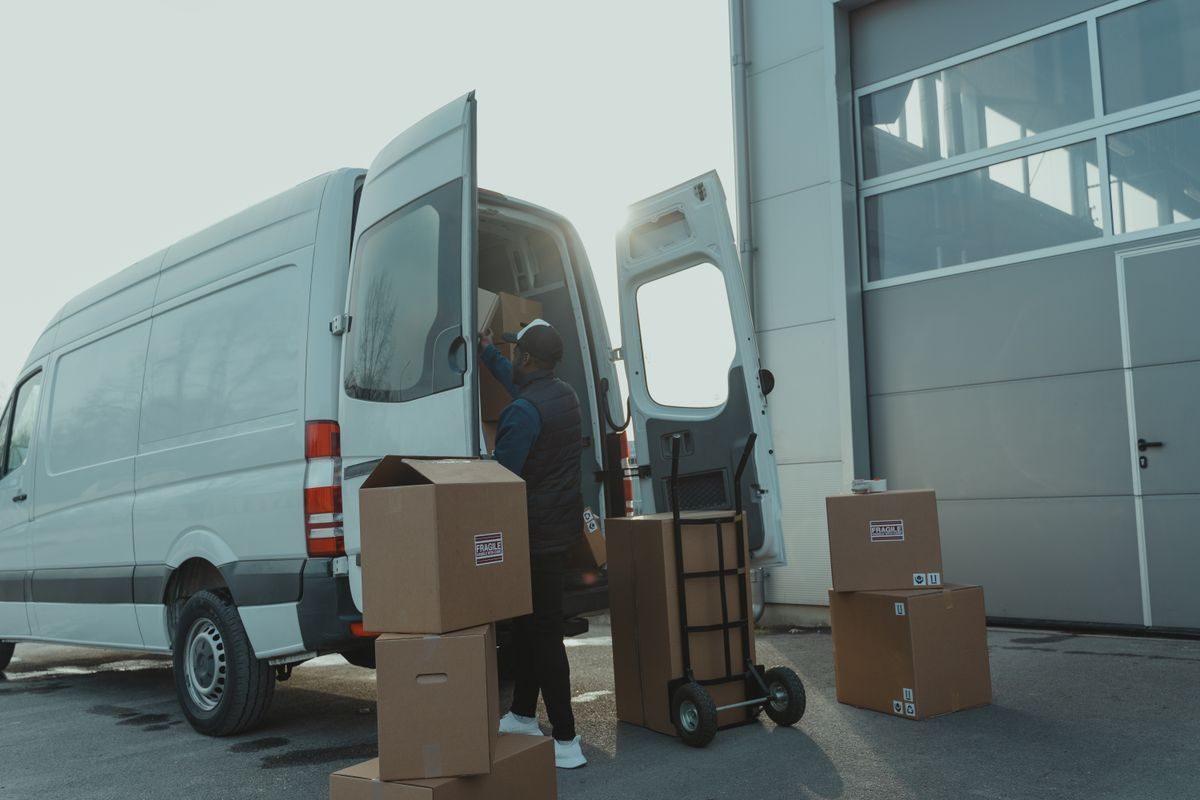
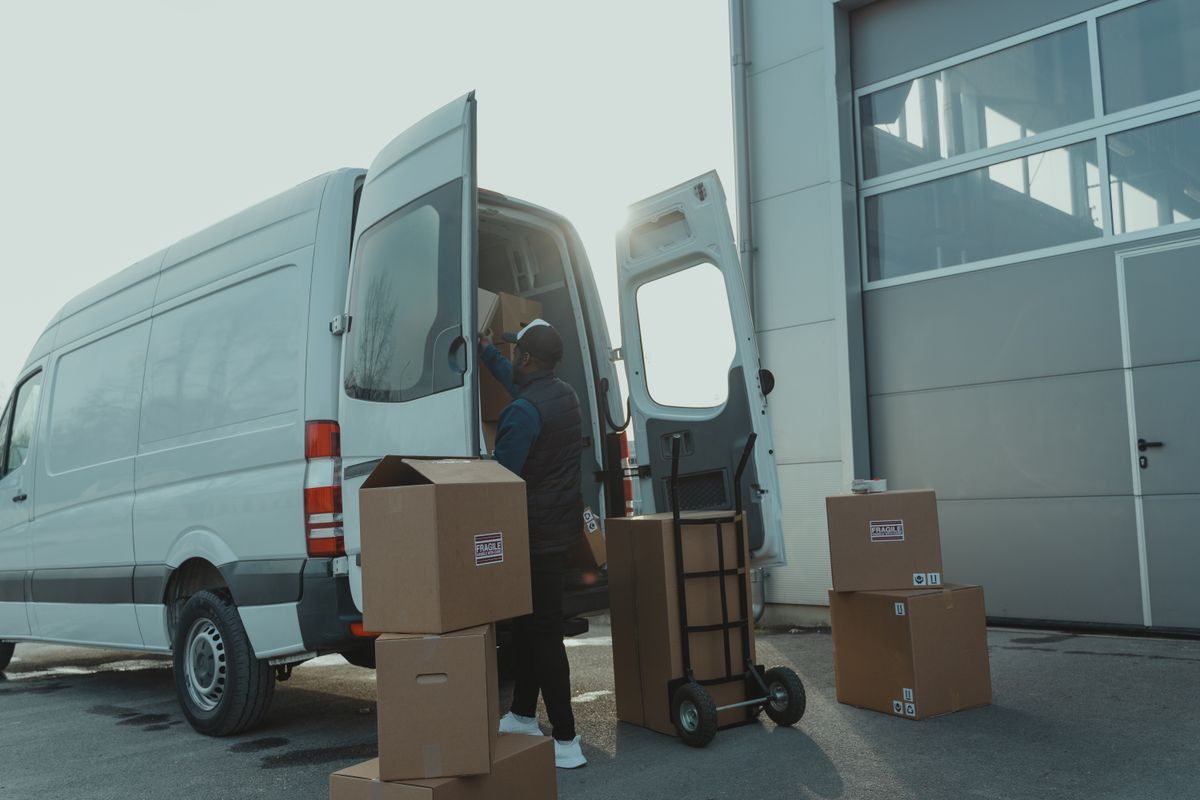
Hastings and St Leonards between them hold around 42,000 households, and they are among the trickier places on the south coast to move house. The Old Town sits in a valley with streets barely wide enough for a car, let alone a Luton van. St Leonards is dominated by four and five storey Regency and Victorian townhouses, most of them subdivided into flats decades ago, with staircases that turn twice on a half landing. And a large share of the borough's housing predates 1919 against a national figure closer to a fifth, which means narrow doorways, low door heads and awkward returns as the default rather than the exception. A three-bedroom move within the area typically runs £650 to £1,300 in 2026, and access is what moves that number, not distance.
What a Move Costs in Hastings and St Leonards
Local moves within the borough are priced by van size, crew and hours rather than mileage.

A one-bedroom flat move with two crew and a Luton van typically runs £380 to £650. A two-bedroom house is £520 to £900. A three-bedroom house with a full day and three crew lands £650 to £1,300. A four-bedroom property, or anything needing two vans, runs £1,100 to £2,100.
Add packing and the numbers change again. A full packing service adds £280 to £700 for a three-bedroom house depending on how much fragile ware is involved. Materials alone, if you pack yourself, run £70 to £180.
Longer distance from Hastings, say to London or the Midlands, is priced on volume and mileage: expect £900 to £1,800 for a three-bedroom move to London, £1,600 to £3,200 for the Midlands or the north. Plug Moves covers Hastings and St Leonards from Eastbourne and will survey rather than quote blind, which matters more here than in most towns.
Why Hastings Old Town Is a Special Case
The Old Town streets - All Saints Street, High Street, and the network of twittens running up the East and West Hills - were laid out for handcarts. Several are too narrow for a 3.5 tonne Luton, and some are pedestrian only.

The practical consequence is a shuttle. The main van parks at the nearest accessible point and a smaller van or a team with trolleys carries between the two. That adds two to four hours to a standard move and typically £180 to £450 to the price. It is not a surcharge to be argued about; it is genuine additional labour.
Parking is the other half. Hastings Borough Council operates suspension arrangements for removals, and a bay suspension needs booking several working days ahead and costs a fee. Without one, a van blocking a narrow Old Town street on a Saturday will get moved on or ticketed, and a move that stops halfway is far more expensive than the suspension would have been.
Steps and Slopes
The East Hill and West Hill properties frequently have twenty or thirty steps from the road to the front door, sometimes more. A crew carrying a two-seater sofa up thirty steps is doing genuinely hard physical work, and it needs an extra pair of hands rather than the same two people working slower. Flag the step count when you get quotes. A quote given without it will change on the day, and that is the single most common billing dispute in this area.
St Leonards Townhouses and Flat Conversions
St Leonards was laid out by James Burton in the 1820s and 30s and the housing is grand, tall and now heavily subdivided. A third-floor flat in a Warrior Square or Marina property means four flights of a communal stair, usually with a half-landing turn that will not take a two-metre sofa.

Two things follow. First, measure before you commit to taking furniture. A standard three-seater sofa needs roughly 2.1 metres of diagonal clearance at a stair turn, and a lot of these staircases give 1.7. Dismantling and reassembling costs £40 to £90 per item and is far cheaper than discovering the problem with the van double-parked outside.
Second, ask about lift access, and if there is one, ask whether the building management requires it to be booked or protected. Several of the larger St Leonards conversions and the newer blocks along the seafront require notice for moves and charge for lift protection.
Bay windows are a genuine option in these properties and worth knowing about. Where a stairwell cannot take an item, an external hoist or a removal through a first-floor sash window is sometimes possible. It costs £250 to £600 and needs planning, but it beats leaving a piano behind.
Coastal Weather and Timing Your Move
Hastings sits on an exposed stretch of the south coast and records around 780 mm of rain a year over roughly 130 wet days, with the wettest months from October to January. Winds off the Channel regularly exceed 40 mph in autumn and winter, and the seafront properties at St Leonards catch the full force.

That matters for two practical reasons. Wet weather doubles the risk of damage to upholstery and cardboard, so a winter move needs proper covers and floor protection rather than a couple of blankets. And a high-sided Luton van in a 45 mph crosswind along the seafront is genuinely difficult to handle, which is why crews sometimes reroute inland even though it adds miles.
Salt is the quieter issue. Anything stored temporarily in an unheated garage or outbuilding near the front will pick up moisture and salt within days. If you need a gap between completion dates, use proper container storage rather than a friend's garage. Container storage in this area runs £25 to £60 per week for a 250 cubic foot container.
Chains, Completion Days and What Goes Wrong
Around 30% of property chains in England experience a delay of at least one day at completion, and Hastings has a high proportion of chain transactions because of the mix of first-time buyer and downsizer stock.

The practical protection is a removal company that will hold a provisional date without a large non-refundable deposit, and that has same-week flexibility. Ask directly: what happens if completion moves by one day, and what does it cost? A firm that charges a full cancellation fee for a 24 hour shift is not set up for the reality of the market here.
Book earlier than you think. Friday is the most common completion day by a wide margin, and the last Friday of the month is heavily oversubscribed. In Hastings and St Leonards, where crews are also travelling from Eastbourne and Bexhill, a late booking for a month-end Friday often means no availability at all.
Get the Survey Done Properly
A video survey takes twenty minutes and is far better than a form. It lets the company see the stair turns, the step count, the parking, and the actual volume rather than your estimate of it. Volume estimates from homeowners are wrong more often than not, usually low, and an underestimated volume means a van that will not take everything.
Insurance, Liability and the Cover You Actually Have
Standard goods in transit cover from a removal company is not the same as full replacement insurance, and the difference catches people out.

Most firms carry goods in transit cover of £10,000 to £50,000 per load, with a per-item limit that is frequently £500 to £1,000. If you own a painting, an instrument or a piece of antique furniture worth more than the per-item limit, it needs declaring in advance and often needs separate cover.
Liability is usually excluded entirely for items you packed yourself, for anything left in drawers, and for damage to items that were already damaged. It is normally excluded for electrical equipment that fails after the move unless there is visible external damage.
Check whether the company is a member of the British Association of Removers, whose members work to a published code of practice overseen in part by consumer protection standards, and ask to see the goods in transit certificate rather than taking the website's word. General guidance on comparing removal quotes and understanding your rights is published by Which?. We go into declaring high-value items in more detail in our guide to moving antiques and fragile items in Eastbourne.
Getting Quotes That Hold on the Day
Three quotes for the same Hastings move can vary by £500, and the cheapest is frequently the one that has not seen the property.

Ask each firm to confirm in writing: the number of crew and van size, whether the price is fixed or hourly and what happens if it overruns, whether a shuttle is included for Old Town access, whether parking suspension is arranged and by whom, the dismantling and reassembly allowance, the goods in transit limit and per-item cap, and the cancellation and date-change terms.
Then ask the question that separates the surveyed quote from the guess: how many steps did you allow for, and what stair width did you measure? A firm that has an answer has actually looked. A firm that has not will be renegotiating on your doorstep at eight in the morning on completion day. We cover the same access issues on the other side of the county in our guide to removals in Battle, where the historic street pattern creates a very similar problem.
Frequently Asked Questions
How much does a house move cost in Hastings or St Leonards?
A one-bedroom flat move typically runs £380 to £650, a two-bedroom house £520 to £900, and a three-bedroom house £650 to £1,300. Four-bedroom properties or moves needing two vans run £1,100 to £2,100. Old Town access requiring a shuttle adds £180 to £450, and full packing adds £280 to £700.
Can removal vans get into Hastings Old Town?
Often not directly. Several Old Town streets and twittens are too narrow for a 3.5 tonne Luton, and some are pedestrian only. The usual solution is a shuttle, with the main van parked at the nearest accessible point and a smaller vehicle or trolley team working between the two. That adds two to four hours to the move.
Do I need a parking suspension for a move in Hastings?
Usually yes on any street with controlled parking, and it needs booking several working days in advance through Hastings Borough Council. Without a suspension, a van blocking a narrow street risks being ticketed or moved on, and a move interrupted halfway costs far more than the suspension fee.
What does removal insurance actually cover?
Standard goods in transit cover typically runs £10,000 to £50,000 per load with a per-item limit often between £500 and £1,000. Items worth more than that cap must be declared in advance. Cover is usually excluded for boxes you packed yourself, items left in drawers, and electrical faults with no visible external damage.