Removals in Newhaven and Peacehaven: Costs, Access, and Choosing a Company
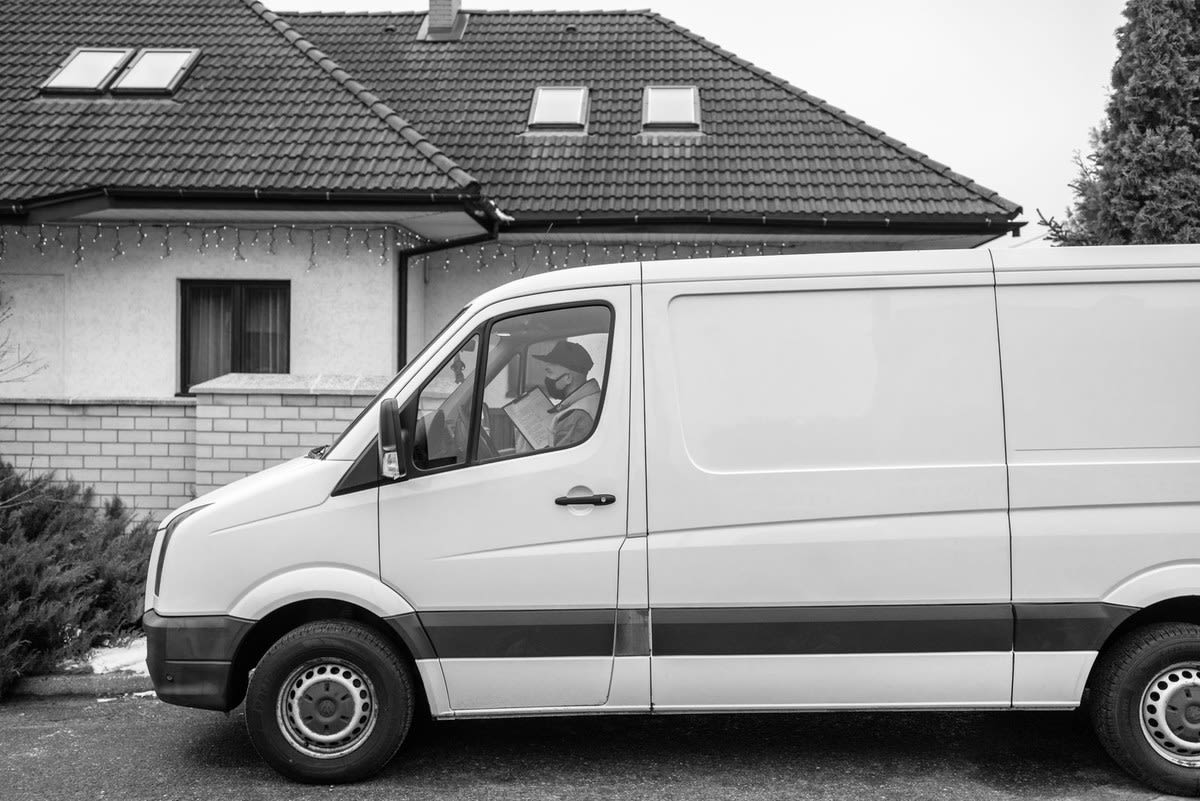
Newhaven and Peacehaven sit side by side on the East Sussex coast, joined by the A259 and not much else in character. Newhaven is a working port town of around 12,000 people at the mouth of the River Ouse, with a ferry terminal, Victorian terraces climbing the hill above the harbour, and a swing bridge that stops the traffic whenever a boat needs through. Peacehaven, a mile or so west along the clifftop, is a planned town laid out from 1916 on a grid of long straight avenues, most of them lined with bungalows and a surprising number of them still unmade. A typical move across the two towns runs somewhere between £450 and £1,200, and the spread comes down to access - a potholed unadopted road, a terrace with no parking, or a morning lost to ferry traffic can each add an hour or more to the job. This guide covers the real costs, the local obstacles, and what to ask before you book.
What a Removal Company in Newhaven and Peacehaven Typically Costs
For a local move within the two towns or out to Seaford, Lewes, Brighton, or Eastbourne, a one or two-bedroom job usually lands between £450 and £750. A three or four-bedroom house is more often £750 to £1,200, and a larger property with a garage, loft, and garden store can pass £1,400 once packing is added. A full packing service typically adds £150 to £400 depending on how much you hand over.

The two towns pull the price in different directions. Peacehaven's bungalows are single-storey, which saves stair time, but the plots are long and some of the roads are rough enough that the lorry parks short of the house. Newhaven's terraces have the opposite problem - the van can often get close, but everything comes down narrow stairs and out through a small front door. Two three-bed moves on the same day can differ by £200 or more purely on those details.
Describe your road surface, your parking, and your stairs honestly when you ask for a price. The Plug Moves Ltd homepage is the quickest place to send those details so the estimate reflects your actual access rather than an average. A quote given blind for an unadopted Peacehaven avenue is a quote that will move.
Newhaven's Port, the Swing Bridge, and Timing Your Move
Newhaven is one of only a handful of working cross-Channel ports on the south coast, with the Dieppe ferry typically running two sailings a day in each direction and a crossing time of around four hours. That matters for your move because ferry traffic arrives and departs in pulses - a queue of cars and freight lorries funnelling through town on the ring road roughly twice a day, each pulse lasting 30 to 45 minutes.
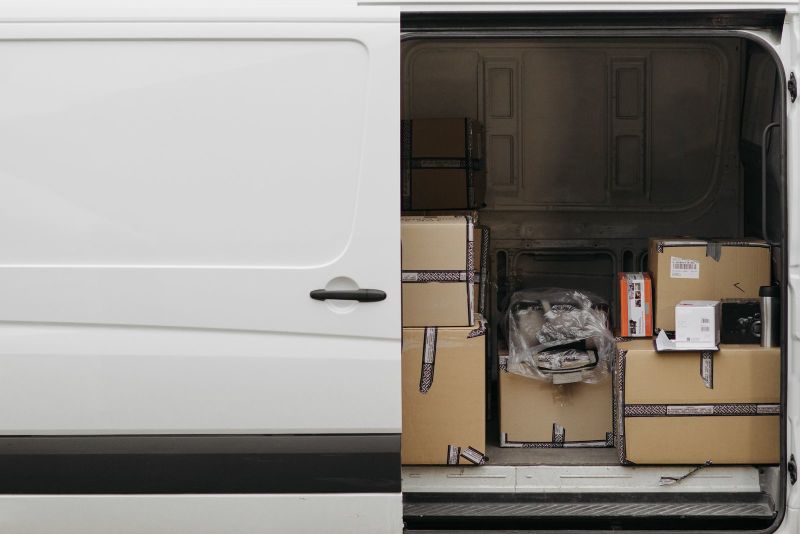
The swing bridge is the other local wildcard. The A259 crosses the Ouse on a bridge that opens for river traffic, and when it swings, everything stops - there is no quick alternative crossing in town. An opening only takes a few minutes, but the queue it leaves behind can take 15 to 20 minutes to clear at busy times. A crew doing a Newhaven-to-Peacehaven run crosses that bridge twice per load.
None of this ruins a move, but it rewards planning. A firm that works Newhaven regularly will load around the ferry pulses rather than into them, and will not promise a tight arrival time that depends on the bridge staying shut. Ask how they plan to time the day - the answer tells you whether they know the town.
Peacehaven's Grid: Unmade Roads, Bungalows, and Long Plots
Peacehaven was laid out just over a century ago as a grid of straight avenues running back from the clifftop, and the plan came before the infrastructure. A fair number of the residential roads were never adopted by the council, which means no tarmac, no maintenance, and in winter a surface of potholes and standing water that a loaded 7.5-tonne lorry treats with respect.

What an unmade road does to the day
On the roughest avenues, the sensible choice is to park the lorry on the nearest made-up road and shuttle with a smaller van, or to crawl the lorry in and accept a longer, more careful approach. Either way, expect an unmade-road address to add roughly 20% to 30% to the loading time compared with a tarmac street. Tell the firm in advance - a crew that arrives expecting kerb-and-gutter access loses the first half hour working out what to do.
The bungalow advantage
The upside of Peacehaven is that so much of the housing is single-storey. No stairs means faster, safer carrying, and a two-person crew can clear a three-bed bungalow noticeably quicker than a three-bed terrace. The catch is volume - bungalows here often come with 40 or 50 years of loft and garage contents, and around half of downsizing moves need at least a part-packing service to get through it.
Wind, Salt Air, and Moving on the Clifftop
Peacehaven sits on top of chalk cliffs with nothing between the front doors and the Channel, and the Greenwich meridian crosses the clifftop here on its way out to sea. The exposure is the point for the sea views, and the problem on moving day. Winter storms push gusts past 40mph along this stretch of coast several times a season, and a king-size mattress carried across an open drive in that is a sail with handles.

Rainfall is actually lower than inland - the coastal strip sees roughly 750mm a year against 800mm or more up in the Weald - but what rain there is arrives horizontally when the wind is up. Crews respond by wrapping mattresses and sofas in the van rather than at the door, keeping tail-lift time short, and loading the van nose-to-wind where the street allows.
If the forecast shows a named storm, talk to the firm about shifting the day rather than pushing through. An hour of rescheduling beats a damaged wardrobe, and most local firms would rather move you 24 hours later than fight the clifftop in a gale.
Newhaven's Terraces, Flats, and Harbour-Side New Builds
Old Newhaven climbs from the harbour in tiers of Victorian terraces, and the streets on the hill are narrow, parked on both sides, and short of turning space. A full-size lorry often cannot stop outside the door, so the crew either holds a gap with cones from early morning or carries the extra 20 to 40 metres. On a full house move, every extra 20 metres of carry adds roughly 30 to 45 minutes across the day.

The newer flats around the harbourside and marina bring a different set of questions - allocated parking that a lorry cannot fit into, communal doors, and lifts that need booking or protecting. If you are moving into or out of a flat, check whether the block manager wants notice, and measure the lift before assuming the sofa is going in it. About one in four flat moves ends up using the stairs for at least one item.
Either way, the parking conversation is the one to have early. A firm that asks you for photographs of the street before quoting is being thorough, not nosy.
Booking Ahead, the A259, and Quieter Dates
The A259 between Newhaven and Brighton is one of the busiest coastal roads in Sussex, and in the summer holiday period the westbound morning run can take twice as long as it does in February. Crews price and plan around it, but it is one more reason moving days here start early - an 8am load beats the worst of the coast road in both directions.
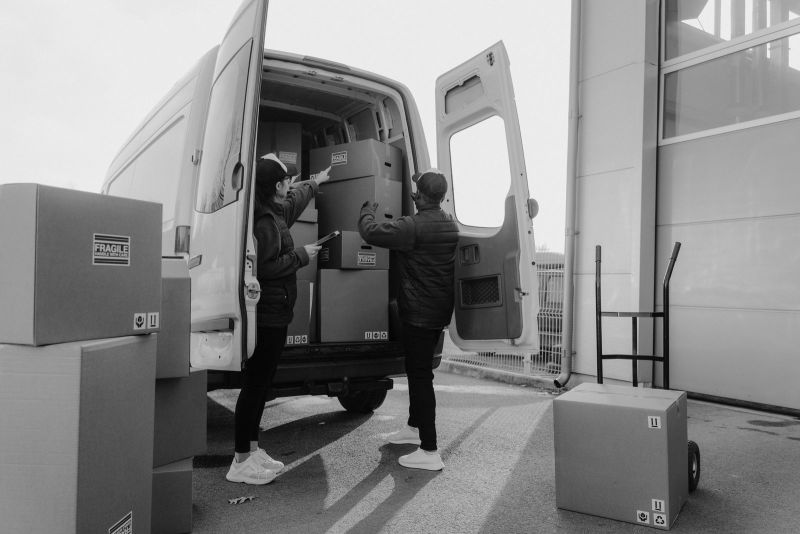
Two to four weeks' notice is enough for a straightforward local move. Tie the move to a completion date, or put it on a Friday or at the end of a month, and allow four to six weeks instead - roughly 60% of UK completions land on a Friday, so those slots go first.
Quieter dates and nearby moves
Midweek dates outside July and August are typically 10% to 15% cheaper and far easier to book. A lot of moves from these towns head up the Ouse valley, and we have covered that end of the journey in our guide to removals in Lewes, its narrow streets, and choosing a company, which is worth a read if your new address is up in the county town. Booking provisionally as exchange approaches keeps your date safe without waiting for the chain to finalise.
Insurance, Trade Bodies, and Choosing the Right Firm
Check insurance before price. Established firms carry goods-in-transit and public liability cover, but the per-item limits vary widely, and boxes you packed yourself are usually excluded from claims. Ask for the single-item limit, the excess, and whether anything valuable needs declaring separately.
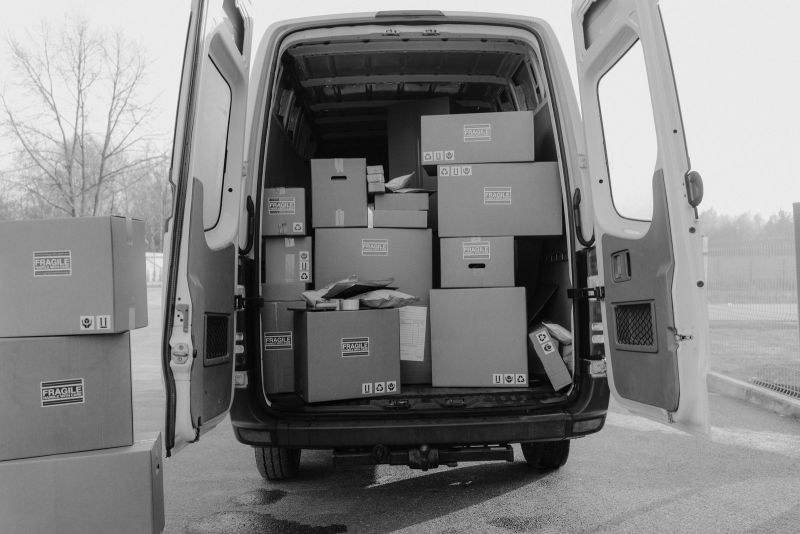
Then use the shortcuts that exist. Membership of the British Association of Removers, whose members follow a Trading Standards-approved code with independent dispute resolution and advance payment protection, gives you somewhere to turn if a move goes wrong. For an independent take on comparing quotes, Which? publishes a clear guide to choosing a removals company. And if a firm runs lorries over 3.5 tonnes, it legally needs an operator licence - the government's page on what a goods vehicle operator licence covers explains what that means, and a legitimate firm will not mind you asking about theirs.
Finish with the local questions. Have they moved on unmade Peacehaven roads before? How do they time Newhaven jobs around the ferry and the bridge? Do they bring a smaller shuttle van when the street needs one? Specific answers mean real local experience. Vague reassurance means you are the test run.
---
FAQ
Q: How much does a removal company in Newhaven or Peacehaven cost?
A: A one or two-bedroom local move typically runs £450 to £750, and a three or four-bedroom house £750 to £1,200, with larger properties passing £1,400 once packing is added. Packing services add £150 to £400. Access drives the spread - an unmade Peacehaven avenue or a parked-up Newhaven terrace can add £200 or more to an otherwise identical move.
Q: Do Peacehaven's unmade roads cause problems on moving day?
A: They can. A number of the town's grid-plan avenues were never adopted, so the surface is potholed and soft after rain, and a loaded lorry either crawls in carefully or parks on the nearest made-up road while a smaller van shuttles the load. Expect an unmade-road address to add roughly 20% to 30% to loading time. Telling the firm in advance means they arrive with the right vehicles and plan.
Q: Does the Newhaven ferry traffic affect a house move?
A: Around twice a day, yes. Ferry arrivals and departures push a pulse of cars and freight through the town for 30 to 45 minutes, and the A259 swing bridge stops everything when it opens for river traffic. A firm that works Newhaven regularly loads around those pulses rather than into them, which is one of the questions worth asking before you book.
Q: When is the cheapest time to move in Newhaven or Peacehaven?
A: Midweek dates outside July and August are usually 10% to 15% cheaper and easier to secure. Around 60% of UK completions fall on a Friday, so Fridays and month-ends book up first. Summer also brings the heaviest A259 coast traffic, which makes early starts and off-peak dates work better all round. Allow four to six weeks' notice for a completion-linked move.
---