
Removals in Battle: Costs, Historic Streets, and Choosing a Company
Battle grew up around the abbey William the Conqueror built on his 1066 battlefield, and the town has never really stopped trading on it. Around 6,500 people live here, the High Street still follows its medieval line down from the abbey gatehouse, and the buildings along it - timber-framed, jettied, tile-hung - are several centuries older than anything a furniture designer had in mind. English Heritage brings well over 100,000 visitors a year to the abbey, most of them arriving by the same two roads a removal lorry has to use. A typical Battle move runs somewhere between £500 and £1,350, and it is the combination of listed buildings, tourist traffic, and single-track Wealden lanes that decides where in that range you land. Roughly one in four homes in the historic core predates 1900. This guide covers the real costs, the High Street logistics, and what to ask before you book.
What a Removal Company in Battle Typically Costs
For a local move within Battle or out to Hastings, Bexhill, Robertsbridge, or the Eastbourne side, a one or two-bedroom job usually lands between £500 and £800. A three or four-bedroom house is more often £850 to £1,350, and a larger period property or an outlying farmhouse with barns and outbuildings can pass £1,600 once packing is added. A full packing service typically adds £150 to £450 depending on how much you hand over.
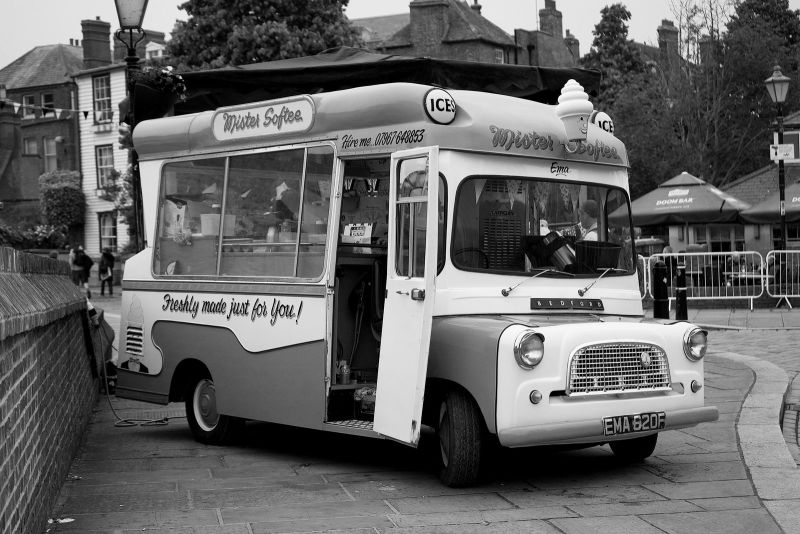
Battle quotes tend to sit a touch above the coastal towns for the same bedroom count, and the reason is time rather than distance. A High Street cottage where the lorry waits in a bay 50 metres away, or a farmhouse down a mile of single-track lane, both add labour hours that a quote has to cover. Two three-bed moves booked for the same week - one on a modern close off the A2100, one behind a jettied frontage on the High Street - can differ by £250 or more.
Describe your building, your parking, and your lane honestly when you ask for a price. The Plug Moves Ltd homepage is the quickest place to send those details so the estimate reflects your actual access rather than a hopeful average. A price quoted blind for a listed cottage is a price that changes on the landing.
Moving On and Off the High Street: Timber Frames and Tight Openings
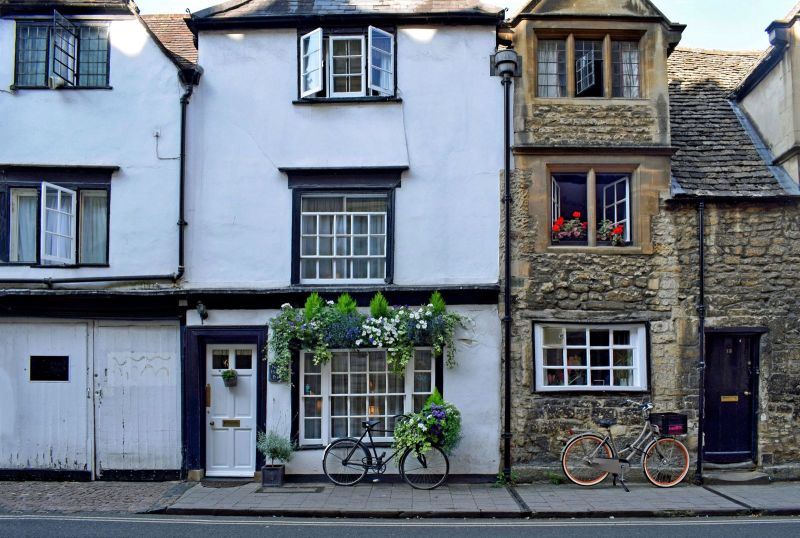
The High Street is the heart of the job in Battle. Many of its buildings are listed, a lot of the housing behind and above the shops is reached through passageways or side doors, and the timber-framed stock was built around people and pack animals, not three-seater sofas.

What actually gets stuck
Low door heads, winder staircases, and first floors that jetty out over the pavement are standard issue in the older stock. Measure your widest item against your narrowest opening before the day - if the clearance is under about 5cm, flag it when you book. Dismantling a bed or wardrobe on site takes a crew 20 to 45 minutes per item, and roughly one in five moves in period stock needs at least one item taken apart or brought through a window. Discovered on the day, that is a delay; planned for, it is a line on the schedule.
Protecting a listed building
A large share of the town centre sits within a conservation area, and original boards, brick floors, and worn oak stairs all mark easily. A good crew brings floor runners, corner protectors, and door-frame padding as standard - in a listed building, damage is not just costly but complicated to repair, because like-for-like materials and consents can be involved. If a firm does not mention protection before you do, they have not pictured the building.
Tourists, Coaches, and the 1066 Calendar
Battle's economy runs on visitors, and a removal crew shares the town with them. The abbey and battlefield draw six figures of visitors a year, coaches set down near the town centre, and on a sunny summer Saturday the High Street pavements are genuinely busy from mid-morning. A crew carrying furniture through that moves slower, whatever their experience.
The calendar matters more than most towns. The annual battle re-enactment weekend in October pulls thousands of visitors into a town of 6,500, and summer weekends run the High Street close to capacity. If your completion date has any flexibility, a midweek move avoids most of it - footfall on a Tuesday morning is a fraction of Saturday's, and the difference shows up directly in loading time.
An early start helps regardless. A crew that is loaded by 10am has beaten the day-trippers to the road, and beaten the worst of the parking pressure too.
Parking, Loading Bays, and the A2100 Through Town
Battle has no bypass - the A2100 runs straight through as the High Street - so a removal lorry has to work with the town rather than around it. Waiting restrictions and short-stay bays cover most of the centre, and a lorry cannot legally sit on the narrow through-road for hours without a plan.
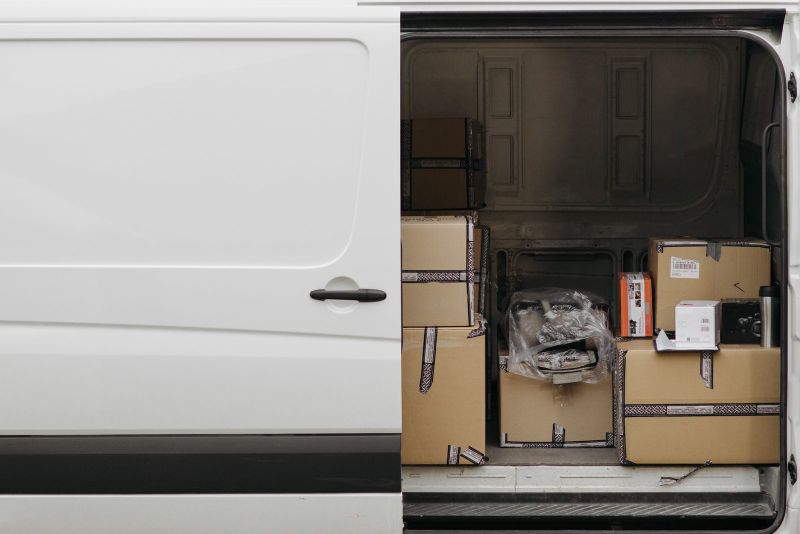
The usual answer is to agree the parking approach in advance: a bay suspension arranged with the council for the day, an off-street yard behind the property where one exists, or a smaller van shuttling between the house and a lorry parked at one of the town car parks. Each shuttle leg of 100 metres or so adds roughly 30 to 45 minutes across a full house load, so it pays to solve this before the day rather than during it.
Ask the firm who arranges the suspension and how much notice the council needs - typically one to two weeks. A company that has moved on the High Street before will answer without pausing.
The Wealden Lanes: Villages, Farmhouses, and Weight Limits
Step outside the town and the character changes completely. Battle sits on the edge of the High Weald, and moves to and from Netherfield, Catsfield, Sedlescombe, Whatlington, and the surrounding farms run down sunken single-track lanes with high banks, blind bends, and passing places cut into the hedges.

Some of the smaller bridges and structures on these lanes carry posted weight limits that a laden removal lorry can exceed - a 7.5-tonne vehicle fully loaded is heavier than many rural structures were rated for, and the government's plain-English page on how vehicle weight limits and gross weights work is a useful five-minute read if you want to understand what a lorry can legally cross. A good firm checks the route in advance rather than meeting the limit sign on the day.
Where a lane rules the big vehicle out, the fix is a shuttle - the lorry waits on a road that can take it while a smaller van ferries the load. On a genuinely awkward farm address this adds 25% to 40% to the loading time, and it is often the only legal way to do the job.
Weald Weather, Clay, and Picking Your Date
Battle is noticeably wetter than the coast eight miles away. The High Weald catches around 800mm of rain a year against roughly 750mm at Hastings and Bexhill, and the Wealden clay underneath holds that water for days. A farm track or grass verge that looked solid at the viewing can be soft enough to bog a lorry after a wet week, and a wet move here commonly runs 30 to 60 minutes longer than a dry one.

Winter adds frost that lingers on the shaded, high-banked lanes long after the main roads are clear, so the fastest start is not always the earliest one. Crews working the Weald in January will sometimes plan a mid-morning start on the rural legs and use the first hour on the protected indoor work instead.
Timing, notice, and nearby guides
Two to four weeks' notice suits a straightforward local move; completion-linked dates, Fridays, and month-ends need four to six, since roughly 60% of UK completions land on a Friday. Midweek slots outside July and August typically come in 10% to 15% cheaper. We have looked at the same rural-access problems from the ridge-top side in our guide to removals in Wadhurst and Ticehurst, which is worth a read if you are weighing up different corners of the High Weald.
Insurance, Trade Bodies, and Choosing the Right Firm
Check the insurance properly before anything else. Most established firms carry goods-in-transit and public liability cover, but per-item limits vary a lot, owner-packed boxes are commonly excluded from claims, and a listed-building move raises the stakes on the liability side. Ask for the single-item limit, the excess, and whether antiques or anything valuable needs declaring separately.

Trade-body membership is a genuine shortcut. Firms belonging to the British Association of Removers, which runs a Trading Standards-approved code of practice with independent dispute resolution and advance payment protection, give you a route to resolution if something goes wrong. For a neutral second opinion on comparing quotes, Which? has a clear guide to choosing a removals company worth ten minutes before you commit.
Then ask the Battle questions. Have they moved on the High Street, and who arranged the parking? Do they carry floor protection for listed interiors as standard? Will they drive your lane before quoting a farmhouse move? Do they own a shuttle van as well as a lorry? Four specific answers mean they have done this town before. Vague ones mean they are about to learn on your furniture.
---
FAQ
Q: How much does a removal company in Battle cost?
A: A one or two-bedroom local move typically runs £500 to £800, and a three or four-bedroom house £850 to £1,350, with larger period properties and outlying farmhouses passing £1,600 once packing is included. Packing adds £150 to £450. Prices sit slightly above the nearby coastal towns because listed-building care, High Street parking, and single-track lanes all add labour hours.
Q: Can a removal lorry park on Battle High Street?
A: Not for long without a plan. The A2100 runs through the town as the High Street, and most of the centre is covered by waiting restrictions and short-stay bays. The usual solutions are a bay suspension arranged with the council (allow one to two weeks' notice), an off-street yard where one exists, or a smaller van shuttling to a lorry in a town car park - each 100-metre shuttle leg adds roughly 30 to 45 minutes across a full load.
Q: Do Battle's listed buildings make moving harder?
A: They add time and care rather than making it impossible. The timber-framed stock has low door heads, winder stairs, and jettied floors, so around one in five period-property moves needs an item dismantled or brought through a window - budget 20 to 45 minutes per item. Good crews bring floor runners, corner protectors, and frame padding as standard, because damage in a listed building can involve like-for-like repairs and consents.
Q: When is the best time to book a move in Battle?
A: Midweek, outside the summer peak and away from the October re-enactment weekend, when thousands of extra visitors fill the town. Midweek slots outside July and August are typically 10% to 15% cheaper, and an early start beats both the day-trippers and the parking pressure. Give a completion-linked move four to six weeks' notice - roughly 60% of UK completions land on a Friday, so those dates fill first.
---