
Removals in Wadhurst and Ticehurst: Costs, Rural Access, and Choosing a Company
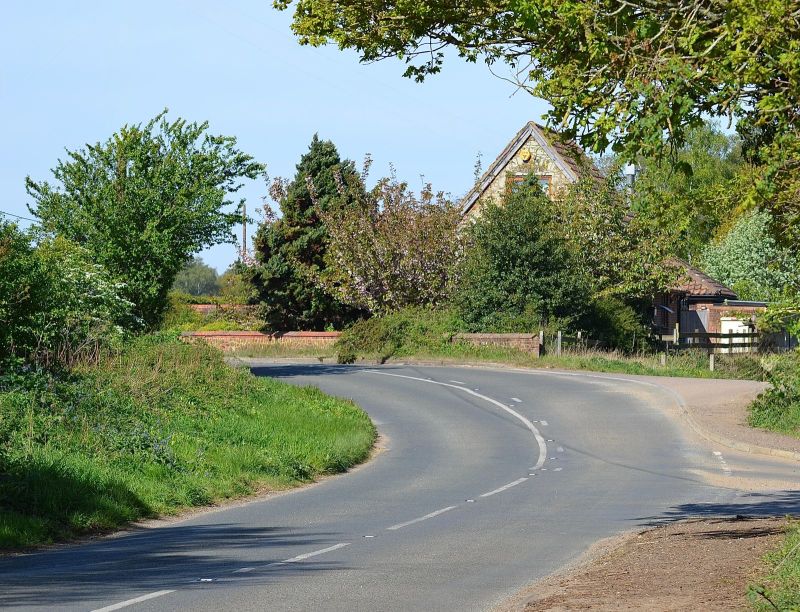
Wadhurst and Ticehurst sit up on the sandstone ridges of the High Weald in the far north of East Sussex, closer to Tunbridge Wells than to the coast and a good 20 miles from Eastbourne. They are handsome villages to live in and genuinely tricky ones to move out of. Both grew up along hilltop lanes lined with timber-framed and tile-hung cottages, both fall inside the High Weald National Landscape, and the roads that connect them drop steeply into wooded ghylls before climbing back out again. A typical move here runs somewhere between £550 and £1,400, and it is access - not distance - that pushes that figure around. Around a third of the housing near the old village cores predates 1930, which means low door heads, winder stairs, and beams that were never sized for a corner sofa. Wealden clay holds water, the ridges catch the weather, and some of the lanes carry weight limits a full removal lorry cannot legally cross. This guide covers the real costs, the access, and what to ask before you book.
What a Removal Company in Wadhurst and Ticehurst Typically Costs
For a local move within the villages or out towards Tunbridge Wells, Heathfield, Wadhurst, or the Eastbourne side, a one or two-bedroom job usually lands between £550 and £850. A three or four-bedroom house is more often £900 to £1,400, and a larger period property with outbuildings, a cellar, and a paddock store can push past £1,600 once packing is added. A full packing service typically adds £150 to £450 depending on how much you hand over.

Quotes up here tend to sit slightly above the East Sussex average, and the reason is labour time rather than mileage. A crew that has to walk 40 boxes down a long sloping drive because the lorry stopped at the lane end is doing an extra hour or two of work, and that is what the number reflects. Two identical three-bed houses - one on a newer close in the village, one down a single-track lane off the ridge - can differ by £250 or more on the same day.
Describe your lane, your gradient, and your parking honestly when you ask for a price. The Plug Moves Ltd homepage is the quickest place to send those details so the estimate reflects your actual access rather than a hopeful guess. A price quoted blind for a Ticehurst address is a price that will move once the crew sees the hill.
Ridge-Top Villages: Hills, Gradients, and Getting a Lorry Up There
Wadhurst runs along a ridge above 130 metres, and Ticehurst sits on its own high ground a few miles east, so almost every approach involves a climb. That matters more than people expect. A loaded 7.5-tonne lorry on a wet, steep, leaf-covered lane is slow and cautious by necessity, and the last stretch to many properties is a private drive that rises again from the road.
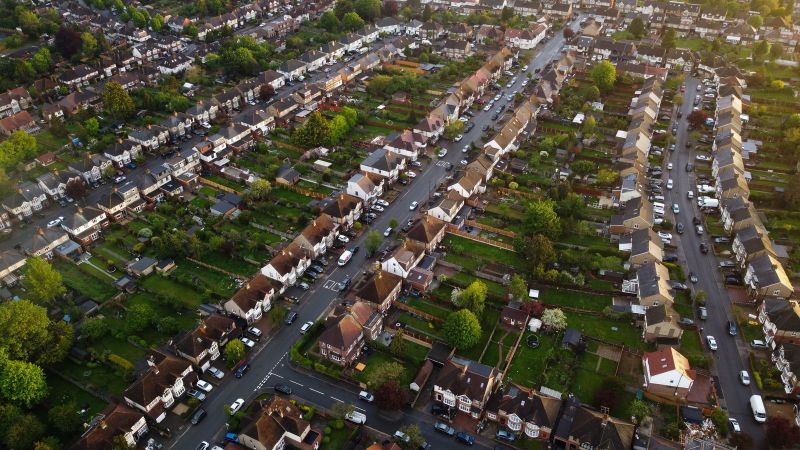
The knock-on effect is carry distance. Where a lorry cannot safely sit outside the door, the crew shuttles the load with a smaller van or barrows it up the drive by hand. Expect a steep or long-drive address to add roughly 20% to 35% to the loading time compared with a flat, van-at-the-door job. It is not padding - on a gradient, every trip up and down is slower and heavier on the crew.
If your drive is steep, unmade, or gravel that a heavy vehicle would sink into after rain, say so when you book. A firm that knows the ground brings the right-sized vehicle and enough hands rather than turning up with one lorry and a problem.
Narrow Lanes, Weak Bridges, and Weight Limits
The lanes between and around the two villages are the real character of a Weald move. Many are single-track with passing places, sunk between high banks, and edged with no verge to pull onto. Several of the smaller bridges over the streams and around the Bewl Water reservoir carry posted weight limits, and a fully laden removal lorry can exceed those in a way a car driver never notices.
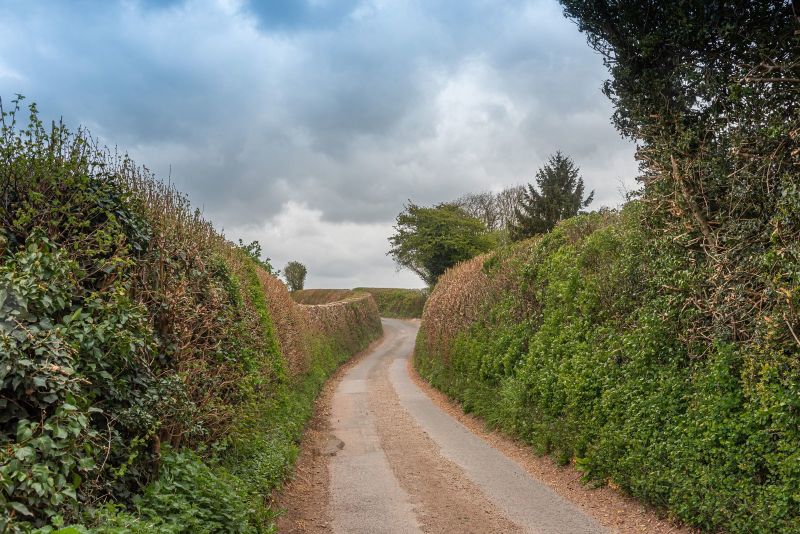
This is worth checking rather than assuming. A 7.5-tonne or 18-tonne vehicle is heavier than a lot of rural structures were rated for, and the government's plain-English explainer on how vehicle weight limits and gross weights work is a useful five-minute read if you want to understand what a lorry can and cannot cross. A good removals firm plans the route around these limits in advance - the wrong route can mean a long detour or, worse, a vehicle that physically cannot reach you.
The usual fix on a tight or weight-restricted lane is a shuttle: a larger vehicle waits on a road that can take it, and a smaller Luton or transit ferries the load in. On a genuinely awkward Weald address this can add 25% to 40% to the loading time, and it is often the only safe and legal way to do the job.
Listed Cottages, Tile-Hung Walls, and Tight Doorways
The period cottages are what catch people out most, so measure before the day rather than discovering the problem on the landing.

What actually gets stuck
Low door heads, narrow winder staircases, and step-up thresholds are common in the older village houses, and a modern three-seater or a king-size divan often will not clear them. Measure your widest item and your narrowest opening in advance. If the gap is under about 5cm, flag it - dismantling on site takes a crew 20 to 45 minutes per item and is far cheaper than a wardrobe that never makes the landing. Roughly one in five moves in older Weald stock needs at least one item taken apart or brought in through a window.
Protecting a listed home
Many cottages here are listed or sit within a conservation area, and original boards, quarry tiles, tile-hung porches, and worn stair treads all mark easily. A decent crew arrives with floor runners and corner protectors as standard, not as an upsell. If a company does not mention protecting an old house before you raise it, they have not really pictured the job.
Weald Weather, Clay, and Timing the Day
The High Weald is noticeably wetter than the coast. Where Eastbourne averages around 750mm of rain a year, the ridges inland often see closer to 800mm or more, and the heavy Wealden clay holds that water long after the rain stops. A grass verge or an unmade drive that looked fine on the viewing can turn to mud on moving day.
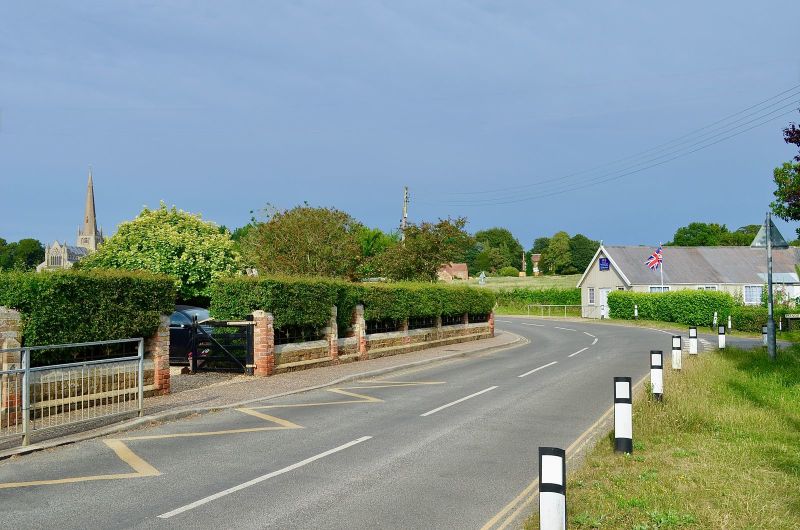
That has practical consequences. A wet, heavy day up here commonly runs 30 to 60 minutes longer than a dry one, and mud tracked through a house is exactly what floor protection is for. In winter the ridge lanes can also hold frost and the odd patch of ice long after the main roads have cleared, so an early start is not always the fastest start - sometimes mid-morning, once the lanes have thawed, is safer.
Check your own ground before you plan where the van parks. If the forecast is against you, agree with the crew in advance where they will pull in and how they will keep the carry route clean.
Distance, Crew Travel, and Booking Ahead
Wadhurst and Ticehurst are a fair way from most removal depots, so two things follow. First, a crew travelling up from the Eastbourne or Bexhill side is on the road a while before they even start, which is one more reason local firms price these jobs slightly higher. Second, the good local slots go quickly, especially in summer.
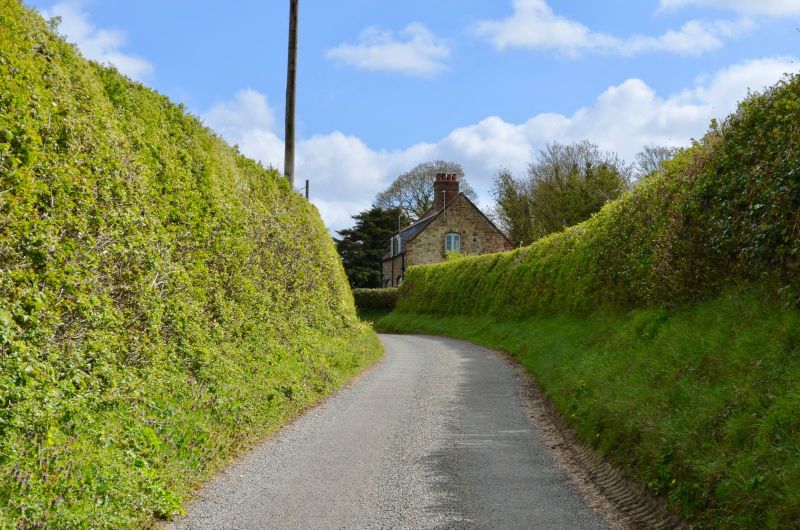
Two to four weeks' notice suits a straightforward local move. Tie it to a completion, or put it on a Friday or the last working day of the month, and give it four to six weeks instead - those dates fill first, and roughly 60% of UK completions land on a Friday.
Quieter dates and better value
Summer is the peak, with moves bunching into July and August when prices are highest. Autumn and winter midweek slots are usually easier to book and often 10% to 15% cheaper, so if your chain has any give, that is where the value sits. We looked at the same rural-access questions from a slightly different angle in our guide to removals in Mayfield and Rotherfield, which is worth a read if you are comparing High Weald villages. Booking provisionally as exchange nears means you are not chasing a van once the date is finally fixed.
Insurance, Trade Bodies, and Choosing the Right Firm
Check the insurance properly before you book anything. Most established firms carry goods-in-transit and public liability cover, but per-item limits vary a lot, and boxes you packed yourself are commonly excluded from a claim. Ask what the single-item limit is, whether anything valuable needs declaring separately, and what the excess would be.
Trade-body membership is a useful shortcut. Firms that belong to the British Association of Removers, which runs a Trading Standards-approved code of practice with independent dispute resolution and advance payment protection, give you somewhere to turn if something goes wrong. For a neutral second opinion on weighing up quotes, Which? has a clear guide to choosing a removals company that is worth reading before you commit.
Then ask the local questions. Have they moved off the ridge lanes before? Do they own a smaller shuttle van as well as a lorry? Will they check your route for weight-limited bridges and confirm the lorry can actually get to your door? How many crew are coming, and is any of it subcontracted? A firm that answers all four specifically has done this in the High Weald. One that offers vague reassurance probably has not.
---
FAQ
Q: How much does a removal company in Wadhurst or Ticehurst cost?
A: A one or two-bedroom local move typically runs £550 to £850, and a three or four-bedroom house £900 to £1,400, with larger period properties sometimes passing £1,600 once packing is included. Packing usually adds £150 to £450. Prices sit slightly above the East Sussex average because the ridge-top hills, single-track lanes, and shuttle-loading add labour hours - and crew travel time - rather than mileage.
Q: Can a full removal lorry actually reach my house up here?
A: Not always to the door. Many High Weald lanes are single-track and sunk between banks, and some smaller bridges around the villages and Bewl Water carry weight limits a laden lorry cannot legally cross. A good firm checks the route in advance and uses a shuttle - a larger vehicle waits on a road that can take it while a smaller van ferries the load in. On an awkward address this adds roughly 25% to 40% to the loading time but is often the only safe, legal way to do it.
Q: Do the old cottages make a move harder in Wadhurst and Ticehurst?
A: Often, yes, mostly through time. The older village houses have low door heads, winder staircases, and step-up thresholds, so around one in five moves needs at least one item dismantled or brought in through a window. Many are listed or in a conservation area, so a decent crew turns up with floor runners and corner protectors as standard to protect original boards, tiles, and tile-hung walls.
Q: When is the cheapest time to book a move in the High Weald?
A: Autumn and winter midweek slots are usually 10% to 15% cheaper than the July and August peak and far easier to book. Around 60% of UK completions fall on a Friday, so Fridays and month-ends fill first - if your chain allows any flexibility, a midweek date outside summer is where the value sits. Give a completion-linked move four to six weeks' notice.
---