Removals in Mayfield and Rotherfield: Costs, Rural Access, and Choosing a Company
Mayfield and Rotherfield sit high in the East Sussex Weald, a pair of ridge-top villages roughly 20 miles inland from the coast, and moving in or out of either one is rarely about mileage. Mayfield is home to around 2,800 people and Rotherfield to a little over 2,500, and both fall inside the High Weald National Landscape, one of the most protected stretches of countryside in the south east. That protection comes with narrow sunken lanes, steep gradients, high hedgerows, and a lot of timber-framed cottages that were built centuries before a removal lorry was ever a consideration. A typical local move here runs somewhere between £600 and £1,500, and it is access - not the distance to your new front door - that moves the figure around. Around a third of the homes in these villages predate 1900. This guide covers what you will pay, what the lanes will throw at you, and what to ask before you book.
What a Removal Company in Mayfield and Rotherfield Typically Costs
For a local move within the villages or out to Crowborough, Heathfield, Wadhurst, or Uckfield, a one or two-bedroom job usually lands between £600 and £900. A three or four-bedroom house is more often £900 to £1,500, and a large farmhouse or converted barn with outbuildings, a loft, and a garden store can go past £1,700 once packing is added. Packing services typically add £150 to £550 depending on how much you hand over.
Quotes for these villages tend to sit a little above the East Sussex average for the same bedroom count, and the reason is almost always labour time. A crew that has to carry 50 boxes 60 metres down a private track because the lorry cannot get past the gate is doing an extra two to three hours of work, and that time is what you are paying for. Two identical three-bed homes, one on a road with a proper hardstanding and one at the end of an unmade farm lane, can differ by £300 or more.
Describe your access, your driveway, and your lane honestly when you ask for a quote. The Plug Moves Ltd homepage is the quickest place to send those details so the estimate reflects your actual approach rather than a rough county average. A quote given blind over the phone for a rural Weald address is a quote that will change on the day.
Single-Track Lanes and the Problem of Getting a Lorry Close
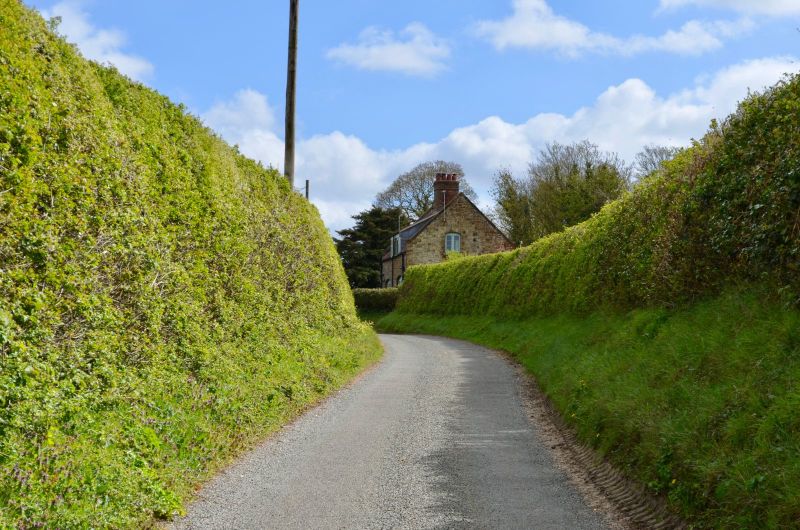
The lanes around Mayfield and Rotherfield were laid out for carts, not 7.5-tonne vehicles. Many are single-track with passing places every 100 metres or so, edged by banks and hedges that leave no room to swing a long wheelbase. Sunken holloways, worn down over centuries into the sandstone, drop below the fields on either side and can be barely wider than a car. Add a parked tractor or an oncoming delivery van and a full-size lorry is stuck.
What crews actually do about it
The usual answer is a shuttle. A larger lorry parks on the nearest road that can safely take it - often the B2100, the A267, or a wider junction - and a smaller Luton or transit ferries loads back and forth to the door. Expect this to add roughly 25% to 45% to the loading time on a tight rural address. On the steepest or muddiest approaches, crews sometimes carry the last 30 to 50 metres by hand because a loaded trolley on a soft or rutted track is genuinely unsafe.
Weight limits, low bridges, and blind bends
Several lanes in the area carry weight or width restrictions, and a few of the older bridges and railway underpasses near Mayfield have low clearances. A firm that knows the roads will route the big vehicle around them rather than discovering the problem at a bridge. If your access involves a private drive, tell the crew whether it is tarmac, gravel, or grass, because that decides which vehicle they bring.
Listed Cottages, Timber Frames, and Narrow Doorways
Mayfield High Street holds a run of medieval and Georgian buildings, and both villages are dense with listed timber-framed cottages, Wealden hall houses, and thatched properties. If your home is listed, you cannot casually lift out a window, take off a door, or unscrew a handrail to get a wardrobe through, because those are original fabric. The government's overview of the rules on owning and altering a listed home is a sensible starting point, and the short version is that anything touching the building's special character needs consent from the council first.

Low door heads, uneven floors, tight winder staircases, and beams at head height are the norm in these houses, and a modern three-seater sofa often will not clear them. Around one in five period-property moves in villages like this needs at least one item dismantled, hoisted through a window, or turned on its end rather than simply carried. Measure your widest piece and your narrowest doorway before moving day - if the gap is under about 5cm, say so, because dismantling on site takes a crew 20 to 45 minutes an item and is far cheaper than a failed attempt and a scuffed door frame.
Original oak boards, brick floors, and worn stone thresholds mark easily too. A good crew turns up with floor runners and corner protectors as standard, not as an extra. If a company does not mention protection for an old house, they have not pictured the job.
Parking, Turning Space, and Access Permissions
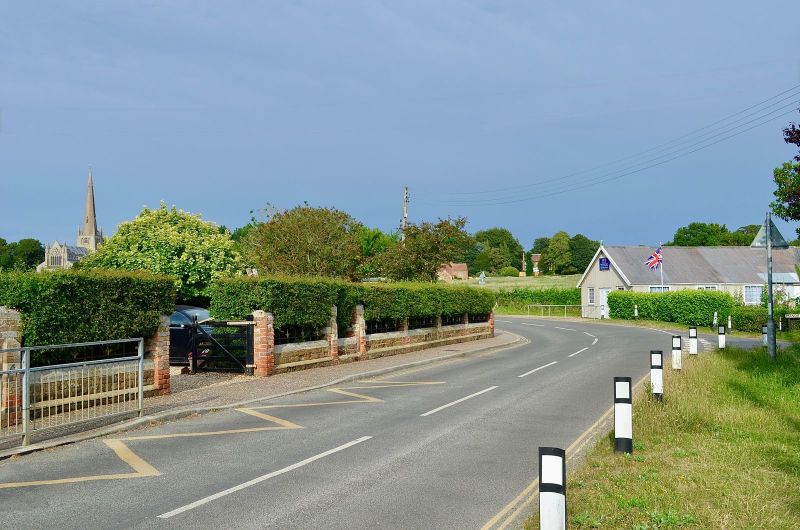
Neither village has the controlled parking zones you find in a town like Lewes, so bay suspensions are rarely the issue here. The problem is space. On Mayfield High Street and around the church, on-street room is limited and the road narrows, so a lorry sitting for six hours can block a through route that has no alternative. Wealden District Council manages the local car parks and parking rules, and a quick check on the day's arrangements is worth it if your only realistic loading point is the street.
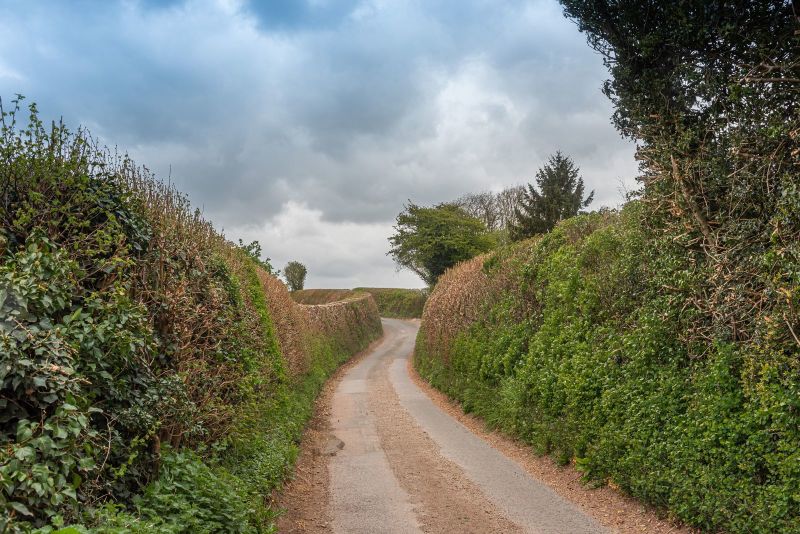
Out on the farms and down the private lanes, the question flips to turning and shared access. Many properties share a track with neighbours, and a lorry parked across it for the day is a problem for everyone else on the lane. If your approach is shared, give the neighbours a heads-up and confirm there is somewhere the vehicle can turn - reversing a long lorry back down 200 metres of single-track lane is slow and risky.
Timing helps. School-run traffic on the A267 and B2100 builds between 8am and 9am and again mid-afternoon, so an early start beats sitting in it. Market and event days in the larger nearby towns can clog the through-roads too, so check before you fix a Saturday.
Weald Weather, Clay, and Moving Day Conditions
These villages sit high and exposed, and the High Weald catches noticeably more rain than the Eastbourne coast a short drive south - the ridge tops can see well over 850mm a year. Wet weather is the single biggest variable on a rural move. The Wealden clay turns greasy fast, and an unmade track that was firm in July can be a mud bath in November, which is exactly when a shuttle van earns its keep.
Exposure matters too. On an open ridge, wind catches an unsecured blanket or a lightweight box on a raised tail lift, and a damp brick threshold or a mossy stone step is a real slip risk for someone carrying 25kg. Ghyll woodland and overhanging trees along the lanes drip long after the rain stops, so loads need covering between the door and the van whatever the sky is doing.
Practically: start early, keep everything sheeted on the walk from house to vehicle, and accept that a wet day on a soft track will run 30 to 60 minutes longer than a dry one. Budget the time rather than fighting it, and if your date is flexible, a firm dry spell is worth waiting a few days for on a difficult approach.
Insurance, Trade Bodies, and Choosing the Right Firm
Check the insurance properly before you book anything. Most established firms carry goods-in-transit and public liability cover, but the per-item limits vary a lot, and boxes you packed yourself are commonly excluded from any claim. Ask what the single-item limit is, whether antiques or artwork need declaring separately, and what the excess would be.
Trade-body membership is a useful shortcut. Companies that belong to the British Association of Removers, which runs a Trading Standards-approved code of practice with independent dispute resolution and advance payment protection, give you somewhere to turn if things go wrong. For a neutral second opinion on weighing up quotes, Which? has a clear guide to choosing a removals company that is worth reading before you sign. It also helps to know your basic rights, and the government's overview of consumer protection and how to complain about poor service sets those out plainly.
Then ask the local questions. Have they moved along these lanes before? Do they run a smaller shuttle van as well as a lorry? Will they check the access route for weight limits and low bridges in advance? How many crew are coming, and is any of it subcontracted? A firm that answers all four specifically has done this in the Weald. One that offers vague reassurance probably has not. We covered the town-centre version of these access headaches in our guide to removals in Hailsham, which is a useful compare-and-contrast if you are moving between the villages and the district's larger towns.
---
FAQ
Q: How much does a removal company in Mayfield or Rotherfield cost?
A: A one or two-bedroom local move typically runs £600 to £900, and a three or four-bedroom house £900 to £1,500, with large farmhouses or barn conversions sometimes passing £1,700 once packing is included. Packing usually adds £150 to £550. Quotes for these villages often sit slightly above the county average because the High Weald's single-track lanes, long private tracks, and shuttle-loading add labour hours rather than mileage.
Q: Why is rural access such a big factor for a Mayfield or Rotherfield move?
A: The lanes were built for carts, not lorries. Many are single-track with only occasional passing places, edged by banks and high hedges, and some carry weight limits or low bridges. A full-size lorry often cannot reach the door, so crews park on a wider road and shuttle with a smaller van, sometimes carrying the last stretch by hand. That commonly adds around 25% to 45% to loading time on a tight rural address.
Q: Does living in a listed cottage in these villages affect moving day?
A: It can. Both villages are dense with listed timber-framed cottages and thatched homes, and you cannot remove original doors, windows, or handrails to get furniture through without listed building consent. Low door heads, uneven floors, and tight winder stairs are common, so tell your removal firm early. Around one in five period-property moves needs an item dismantled or hoisted, and a good crew will bring floor runners and corner protection for old boards and stone thresholds.
Q: Does the weather really change a move in the High Weald?
A: Yes, more than people expect. The ridge-top villages catch well over 850mm of rain a year, noticeably more than the coast, and the Wealden clay turns greasy fast. An unmade track that is firm in summer can be a mud bath by late autumn, which slows loading and makes a shuttle van essential. A wet day on a soft approach commonly runs 30 to 60 minutes longer than a dry one, so start early and keep loads covered between the door and the van.
---