Moving Abroad from Eastbourne: How International Removals Work and What They Cost
Eastbourne sends more people overseas than you might guess for a town best known for its seafront and retirement appeal. Home to around 100,000 people on the East Sussex coast, it sits within an easy run of the Channel ports and the deep-sea container terminals that handle the UK's household shipments, which makes it a practical launch point for a move to Europe, Australia, North America, or the Gulf. An international removal is a very different animal from a local one - your belongings travel in a steel shipping container, cross a customs border, and can be at sea for anywhere from a few days to six or seven weeks. Costs run from roughly £1,500 for a small shared-container move to Europe up to £8,000 or more for a full four-bedroom house going to Australia or New Zealand. This guide explains how overseas removals actually work and what shapes the bill.
How International Removals Work: Container, Groupage, and Freight
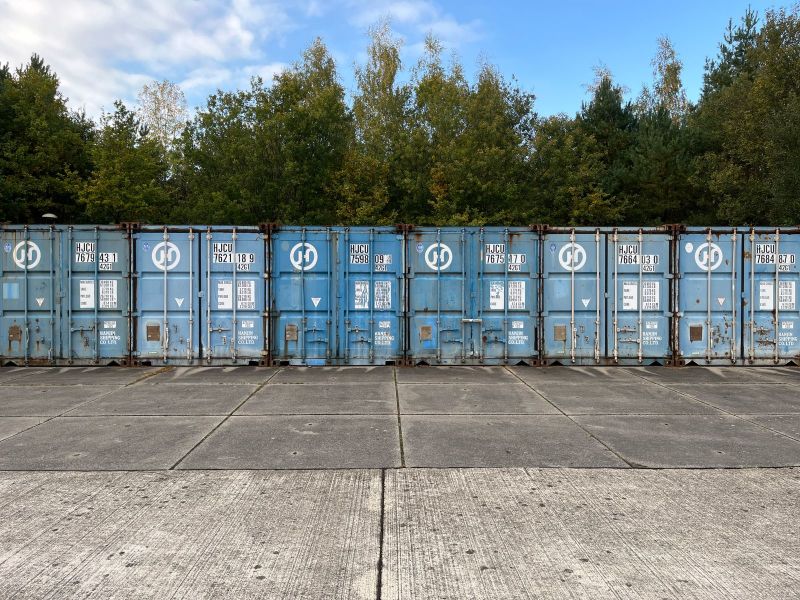
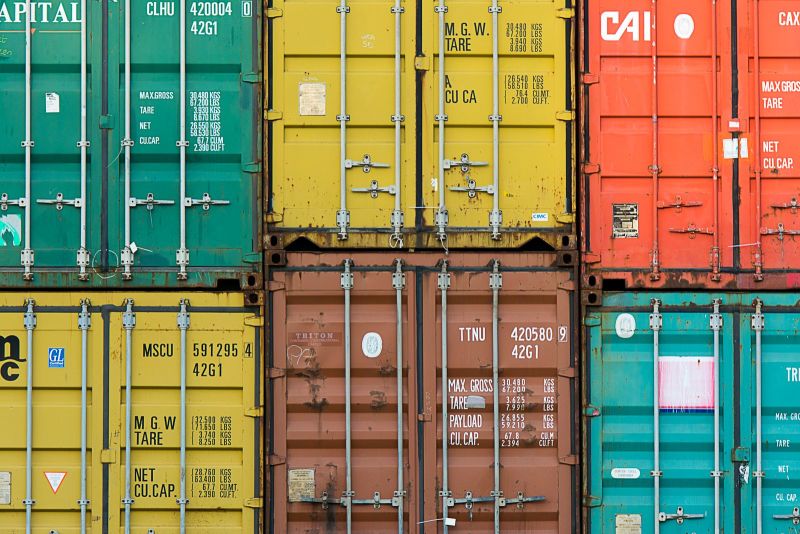
Almost every overseas household move travels by sea, and the first choice is whether you fill a container or share one. A sole-use container - usually a 20ft box that holds roughly a two to three-bedroom home, or a 40ft that takes a large four or five-bed - is loaded just for you, sealed, and shipped on its own. That is the fastest and most secure option, and it makes sense once you have a decent volume of goods.

If you are shipping less - a flat's worth of furniture, or a part-load - groupage is usually cheaper. Your belongings share a container with other households heading the same way, so you pay for the cubic metres you use rather than the whole box. The trade-off is time: a groupage container only sails once it is full, so it can wait days or weeks for consolidation, and it is unpacked and sorted at the far end, which adds handling.
Air freight exists for urgent or small shipments, but it is priced by weight and is dramatically more expensive - often five to ten times the sea-freight rate per cubic metre - so most people use it only for a few essential boxes that need to arrive before the container does.
Which Port Your Move Leaves From
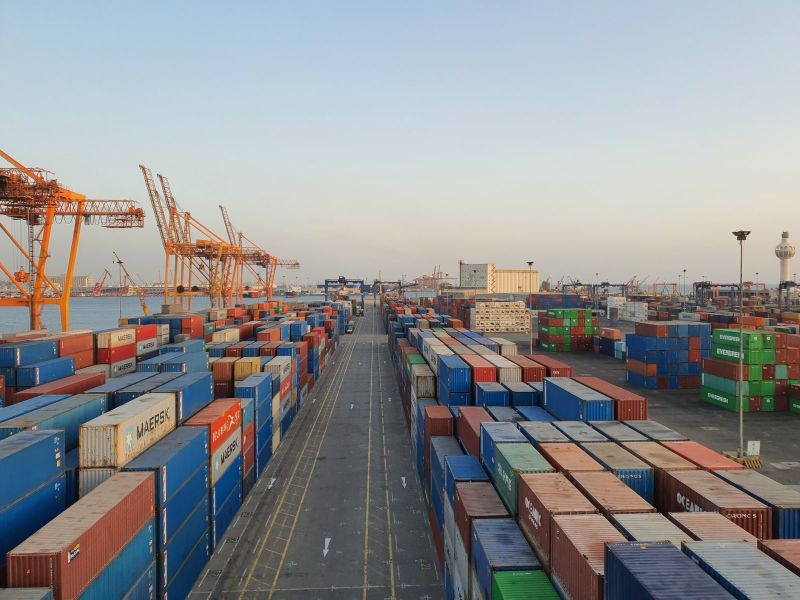
Eastbourne has no container port of its own, so your goods travel by road to a terminal first. Newhaven, about 10 miles west, runs a ferry service to Dieppe and suits smaller road-based moves into France and beyond. For deep-sea containers, the load usually heads to Southampton, London Gateway, Felixstowe, or Tilbury, all within a two to three-hour drive, where the big lines sail to Australia, the US, the Gulf, and the Far East.
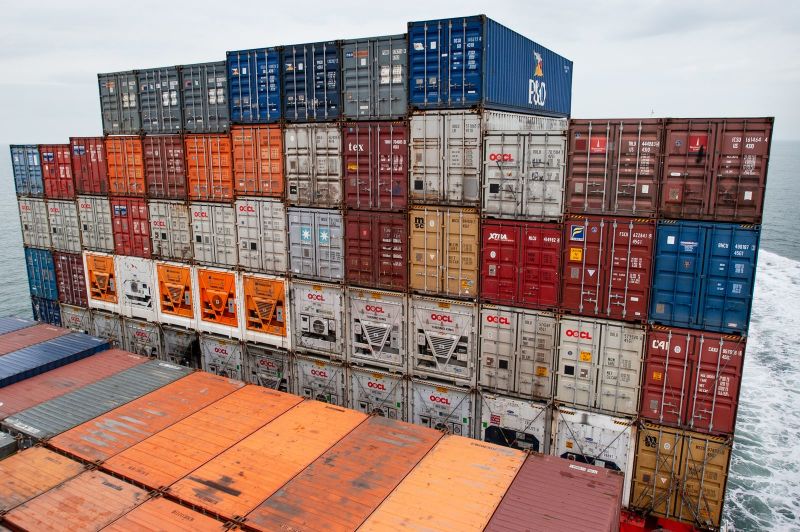
The port your remover uses affects both cost and timing. A container out of Southampton bound for Sydney is a well-worn route with frequent sailings, while a less common destination may route through a hub with a transhipment stop that adds a week or two. When you compare quotes, ask which port and shipping line the firm plans to use and how often that service sails, because a cheaper quote on a fortnightly service can arrive later than a slightly dearer one on a weekly sailing.
For moves into Europe, the Channel crossing from Newhaven or Dover keeps road transit short, but since 2021 even EU moves now involve full customs formalities, so the paperwork is no lighter than a longer-haul move.
What an International Move Costs
Prices vary with volume, destination, and how much packing and insurance you add, but rough ranges help you sanity-check a quote. A small one-bedroom groupage shipment to Spain, France, or Ireland often lands around £1,500 to £3,000. A two or three-bedroom home to the US east coast is commonly £4,000 to £6,500, and the same home to Australia or New Zealand tends to run £5,000 to £8,000 because of the distance and a longer sea leg.
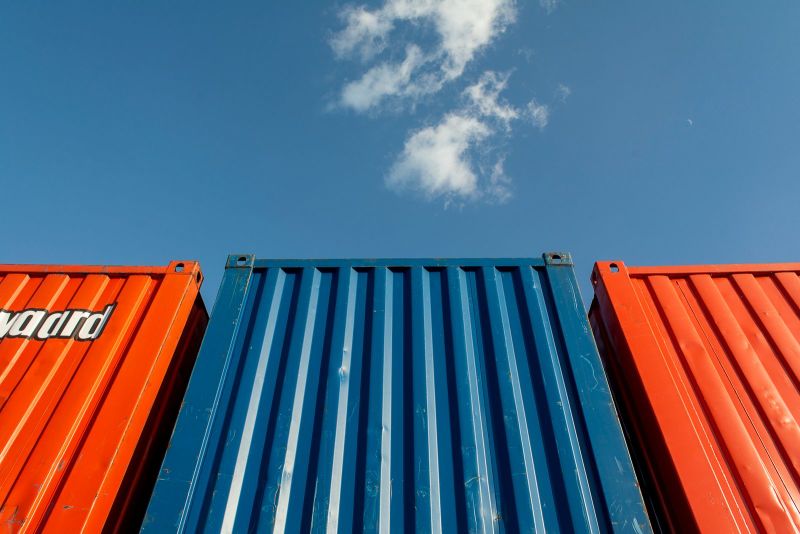
A full four or five-bedroom house in a sole-use 40ft container to Australia can pass £9,000 once professional packing, insurance, and destination handling are included. Packing alone typically adds £400 to £1,200 depending on how much you hand over, and full marine transit insurance usually costs 2% to 3% of the declared value of your goods.
Two costs people forget are destination-side charges and quarantine. Port handling, customs clearance, and delivery at the far end can add several hundred pounds, and countries like Australia and New Zealand run strict biosecurity inspections that may charge cleaning or treatment fees if soil, seeds, or timber pests are found. Ask whether a quote is door-to-door or door-to-port, because the difference is significant.
Customs, Inventories, and Paperwork
Every overseas move crosses a border, and customs is the part that catches people out. Your remover prepares a detailed inventory - a numbered list of every box and item - which doubles as your record for insurance and the basis for the customs declaration. Most countries grant relief from import duty on used household goods if you are moving your primary residence and have owned the items for a qualifying period, but you usually have to prove residency and complete the right forms.
If you are leaving the UK for good, there are UK-side steps too. The government's guide on the tax, benefits, pension and address steps to take when moving or retiring abroad is a sensible checklist, covering who to notify and how your UK status changes. On the destination side, rules differ sharply: some countries want a visa or residence permit in place before goods clear, others restrict or ban certain items entirely.
A good international remover will hand you a customs pack and tell you exactly which documents each country needs, from passport copies to proof of residence. Getting the inventory and valuation right matters - undervaluing to save on insurance can leave you badly short if a container is lost or damaged at sea, which, while rare, does happen to a small fraction of shipments each year.
Timings: How Long Your Belongings Are in Transit
Transit time is the biggest mental adjustment for a first overseas move. A container to northern Europe might take one to two weeks door-to-door. The US east coast is commonly four to six weeks, the west coast a little longer, and Australia or New Zealand typically six to eight weeks, occasionally more if a groupage container waits to fill or a sailing is missed.
Plan for a gap without your things. Most people ship a small air-freight box or a few suitcases with the essentials - clothes, chargers, a kettle, children's basics - to bridge the wait. Booking early helps: peak season for international moves runs June to September, and space on popular routes tightens, so four to eight weeks' notice is sensible, and longer if you are tied to a fixed arrival date.
Delivery at the far end is not instant either. Once a container lands it must clear customs, which can take a few days to a couple of weeks depending on the country and whether it is selected for inspection, before it is trucked to your new home and unpacked.
Choosing an International Remover
International moves are not the place to chase the cheapest quote. Look first for the right trade credentials. The British Association of Removers' overseas guidance and its network of specialist international movers who work to the BS 8564 overseas moving standard is a strong shortlist to start from, because those firms are independently audited and carry advance payment protection. Membership means someone stands behind the move if the company fails partway through.
Ask practical questions. Do they carry out a proper pre-move survey, in person or by video, to measure your volume accurately? A quote based on a real survey is far more reliable than one guessed over the phone. What marine insurance do they offer, and is it all-risk or total-loss only? Who is their agent at the destination, and what do they handle on arrival? For a neutral second opinion on comparing removal firms and reading the small print, Which? has a clear guide to choosing a removals company that applies just as well to overseas jobs.
Finally, weigh the whole package, not just the headline figure. A quote that includes packing, full insurance, customs handling, and door-to-door delivery may cost more than a bare shipping rate but saves you thousands in surprise charges at the port. If you are also weighing up nearby options within the county first, our guide to removals in Hailsham covers the local side of a staged move.
---
FAQ
Q: How much does it cost to move abroad from Eastbourne?
A: It depends on volume and destination, but a small one-bedroom groupage shipment to Europe often runs £1,500 to £3,000, a two or three-bedroom home to the US east coast around £4,000 to £6,500, and the same home to Australia or New Zealand roughly £5,000 to £8,000. A full four or five-bedroom house in a sole-use 40ft container to Australia can pass £9,000 once professional packing, marine insurance (typically 2% to 3% of declared value), and destination handling are included.
Q: What is the difference between a sole-use container and groupage?
A: A sole-use container - usually a 20ft box for a two to three-bedroom home or a 40ft for a larger house - is loaded just for you, sealed, and shipped on its own, which is faster and more secure. Groupage means your belongings share a container with other households heading the same way, so you pay only for the cubic metres you use. Groupage is cheaper for smaller loads but slower, because the container waits until it is full before it sails and is sorted at the far end.
Q: How long does an international move from Eastbourne take?
A: Transit time depends on the destination. A container to northern Europe might take one to two weeks door-to-door, the US east coast is commonly four to six weeks, and Australia or New Zealand typically six to eight weeks or more. On top of the sea leg, allow time for customs clearance at the destination, which can take a few days to a couple of weeks, before your goods are delivered and unpacked. Most people ship a small air-freight box or suitcases with essentials to bridge the gap.
Q: Do I have to pay customs duty when moving my household goods abroad?
A: Usually not on used household effects, provided you are moving your main residence and have owned the items for the qualifying period each country sets, but you must prove residency and complete the correct forms. Rules vary sharply by destination, some countries require a visa or residence permit before goods clear, and places like Australia and New Zealand run strict biosecurity checks that can charge cleaning or treatment fees. A good international remover provides a customs pack listing exactly what each country needs.
---