Removals Insurance in Eastbourne: What Goods in Transit Cover Actually Includes
Somewhere between one in four and one in five UK house moves involves damage to at least one item, and the average claim sits in the low hundreds. Most of those claims are small and get settled quietly. The ones that go badly are the ones where the homeowner assumed the removal company's insurance worked like home contents cover, and discovered on the day that it does not. Goods in transit insurance is a commercial policy protecting the carrier's liability, with per-item caps, a long exclusions list, and a set of conditions you have to meet. Understanding the difference before moving day costs nothing. Finding out afterwards, when a £1,400 mirror is covered to £500, is expensive.
What Goods in Transit Insurance Actually Is
Goods in transit cover is a policy the removal company holds to protect against its liability for damage or loss while your belongings are in its care. It is not your insurance, you are not the policyholder, and it does not automatically pay out for every item that arrives broken.

Typical cover sits between £10,000 and £50,000 for a full load. That sounds generous until you realise it is a total for the whole van, not per item. The number that matters more is the single-item limit, which commonly falls between £500 and £1,000 unless items are specifically declared.
For an average Eastbourne three-bedroom move, total contents value usually runs £25,000 to £45,000 and almost nothing individually exceeds the single-item cap. For a downsizer moving from a large Meads or Old Town property with antique furniture, paintings or instruments, the cap is the whole story. Plug Moves sets out the cover level and the per-item limit in the quote rather than in small print, and it is worth asking any firm you approach to do the same.
The Difference Between Liability and Insurance
This distinction causes most of the confusion, so it is worth being precise.

Liability means the company is legally responsible for damage caused by its negligence. If a crew member drops a wardrobe, that is negligence and the company is liable. If a wardrobe is damaged because it was structurally weak flatpack that could not survive being carried, that is not negligence and the company generally is not liable, even though the wardrobe is broken.
Insurance is what pays the claim once liability is established. A firm with a policy but a £1,000 excess will often decline to claim on small damage and settle it themselves, which is usually faster for you anyway.
The practical implication: the question to ask is not "are you insured" - everyone will say yes. The question is "what is your per-item limit, what is your excess, and what is excluded".
Full Replacement Cover Is a Different Product
Some removal firms offer, or can arrange, a separate policy giving new-for-old replacement cover on a declared inventory value. It costs roughly 1% to 2.5% of the declared value, so £250 to £625 on a £25,000 inventory. For most moves it is unnecessary. For a move with genuinely valuable items, or an international move, it is the right product.
The Exclusions That Catch Eastbourne Movers Out
Five exclusions appear in almost every policy and each one has caught somebody out locally.
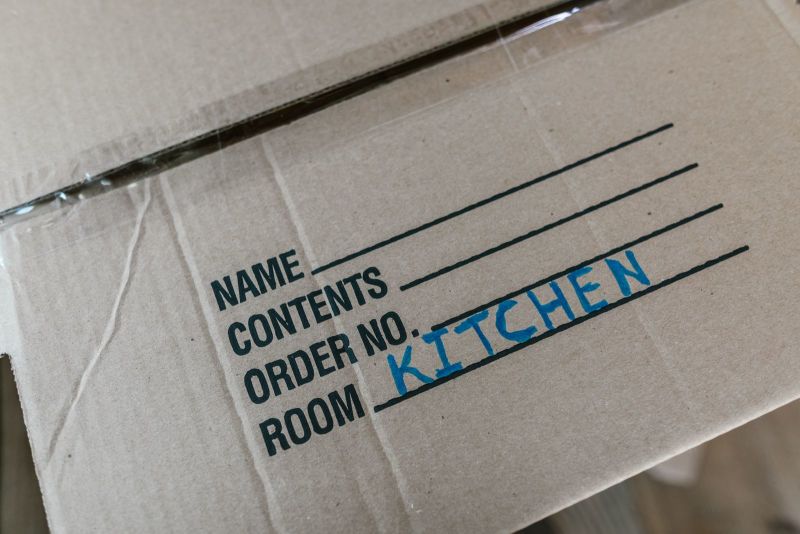
Owner-packed boxes are the biggest. If you packed it, the company generally will not cover breakage inside the box, because they cannot verify how it was packed. This is not a technicality used to dodge claims - it is standard across the industry. If you have fragile items you care about, having the removers pack them converts an excluded item into a covered one, and packing services cost £280 to £700 for a three-bedroom house.
Items left in furniture is the second. Drawers full of contents, a filing cabinet still loaded, a wardrobe with clothes in it. Beyond the weight risk to the crew, the contents are outside the declared inventory and outside cover.
Third, pre-existing damage. Anything already chipped, cracked or wobbly. Photograph your furniture before the move - two minutes with a phone gives you a dated record and resolves most disputes instantly.
Fourth, electrical and mechanical failure with no external damage. A television that will not switch on at the new house, with no visible mark on it, is typically excluded because there is no way to prove the move caused it.
Fifth, certain categories entirely: cash, jewellery, documents, stamps, and often plants and perishables. Take those in your own car.
Storage: Where Cover Frequently Lapses
A good number of Eastbourne moves involve a gap between completion dates, particularly in chains involving retirement properties and downsizers, and belongings go into storage for days or weeks.

Goods in transit cover usually does not extend to storage. Storage needs a separate warehouse or storage policy, and it is not automatic. Ask explicitly: while my belongings are in your store, what policy covers them, to what value, and does that value include the per-item limit?
Storage costs in the Eastbourne area run £25 to £60 per week for a 250 cubic foot container, which holds roughly the contents of a one to two bedroom property. A three-bedroom house typically needs two to three containers.
Damp is the local risk worth naming. Eastbourne's coastal position means high ambient humidity through autumn and winter, and unheated storage near the front will let moisture into upholstery, paper and timber within weeks. Proper container storage in a managed warehouse is fine. A shipping container in a yard by the harbour is not, whatever the price difference.
What to Do Before, During and After the Move
Before: photograph every significant item with the date visible, list anything worth more than the per-item cap and declare it in writing, check your own home contents policy for any moving cover it includes, and get the goods in transit certificate rather than a verbal assurance.

During: walk the property with the crew before loading and point out existing damage. Keep valuables, documents and medication with you. Do not sign a clear delivery note without looking.
After: unpack and inspect promptly. Most policies require damage to be notified within seven days, and some as little as three. A claim made three weeks later is very likely to be declined on notification grounds alone, regardless of merit.
Photographing Is the Single Best Thing You Can Do
It takes ten minutes for a whole house and it settles almost every dispute. The most common disagreement is not whether damage happened but whether it was there beforehand, and a timestamped photo answers it without an argument. It also helps if you need to claim on your own insurance instead.
When You Need Cover Beyond the Standard
Four situations justify buying more.

Genuine antiques and fine art, where a single item exceeds the per-item cap. Declare them, get them professionally packed, and consider a specialist policy. We go into the handling requirements in our guide to moving antiques and fragile items in Eastbourne.
Pianos and large instruments. A decent upright is worth £2,000 to £8,000 and a grand considerably more, and both are outside almost every standard per-item limit.
International moves, where transit times are long, handling is by multiple parties, and marine cover is a separate product entirely.
Long storage periods, where the risk profile changes from a few hours of transit to weeks or months of static storage with a different set of hazards.
For everything else - ordinary furniture, white goods, flatpack, everyday household contents - the standard cover is proportionate and buying more is money spent on a risk that barely exists.
Checking the Company Rather Than the Promise
Ask for the goods in transit certificate and the public liability certificate as documents, and check the expiry dates. Both should be current and the company name on them should match the company you are contracting with, which is not always the case where a trading name sits over a different limited company.

Look for membership of a recognised trade body. The British Association of Removers requires members to work to a published code of practice and provides an alternative dispute resolution route, which is worth having if a claim goes wrong. General consumer guidance on removals contracts and your rights when things go wrong is published by Which?, and the Consumer Rights Act 2015 gives you a statutory right to services carried out with reasonable care and skill regardless of what the contract says.
One last practical point: read the terms before the day, not on the day. Removal terms are usually two pages, they are not written to be impenetrable, and the per-item limit is normally in the first half. Ten minutes with them beforehand is the whole of what this article is recommending.
Frequently Asked Questions
Does my removal company's insurance cover everything in the van?
Not in the way most people assume. Goods in transit cover typically runs £10,000 to £50,000 for the whole load, with a per-item limit often between £500 and £1,000. Items worth more than that cap need declaring in advance. Cover applies to damage caused by the company's negligence, not to every item that arrives broken.

Are boxes I packed myself covered during a move?
Generally no. Almost every removals policy excludes breakage inside owner-packed boxes, because the company cannot verify how the contents were packed. Having the removers pack fragile items converts them into covered items, and a full packing service for a three-bedroom Eastbourne house costs £280 to £700.
Is my furniture insured while it is in storage?
Not automatically. Goods in transit cover usually stops when the van is unloaded, and storage needs a separate warehouse policy. Ask which policy applies, to what value, and whether the per-item limit still applies. Storage in the Eastbourne area runs £25 to £60 a week for a 250 cubic foot container.
How long do I have to report damage after a move?
Most policies require notification within seven days, and some as little as three. Unpack and inspect promptly, and report anything in writing straight away even if you have not worked out the full extent. A claim raised weeks later is very likely to be declined on notification grounds alone.