Moving Antiques and Fragile Items in Eastbourne: What to Ask Your Removal Company
Antiques and fragile items are where standard removal company processes break down fastest. The default approach - wrap everything in paper, load it into a van, unload at the other end - is fine for a flatpack bookcase and a dishwasher. It's not fine for a Georgian writing bureau, a collection of porcelain, an oil painting, or a marble-topped dressing table. Different items need different protection, different loading sequences, and different handling, and the person making those decisions on the day needs experience and judgement, not just willingness.
Eastbourne has a significant proportion of residents who have been in their homes for decades and are downsizing or moving to care - circumstances where the household contents include items of genuine sentimental, historical, or financial value. Getting the move right for those items matters considerably.
What Makes Fragile Items Different
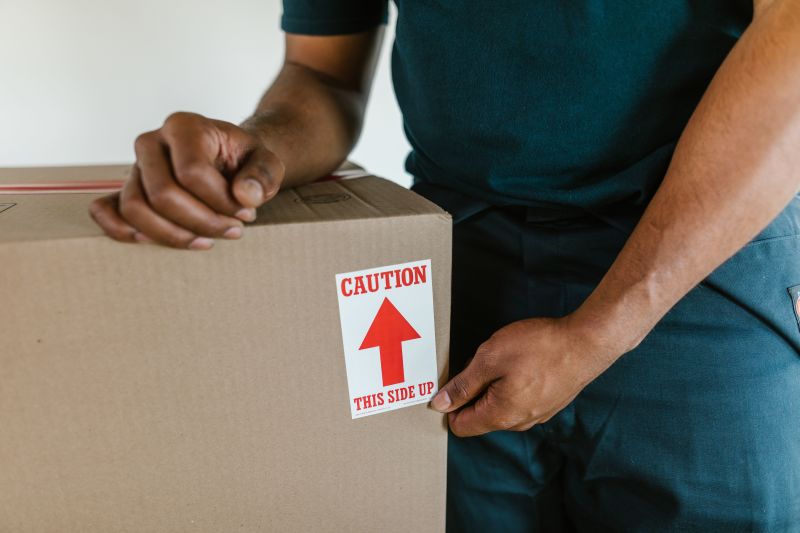
The problem with fragile items in removals isn't usually dropping - it's movement. A well-packed fragile item can survive being handled. The same item inadequately packed will be damaged by vibration, by shifting in transit, or by being pressed against another item during a tight load.
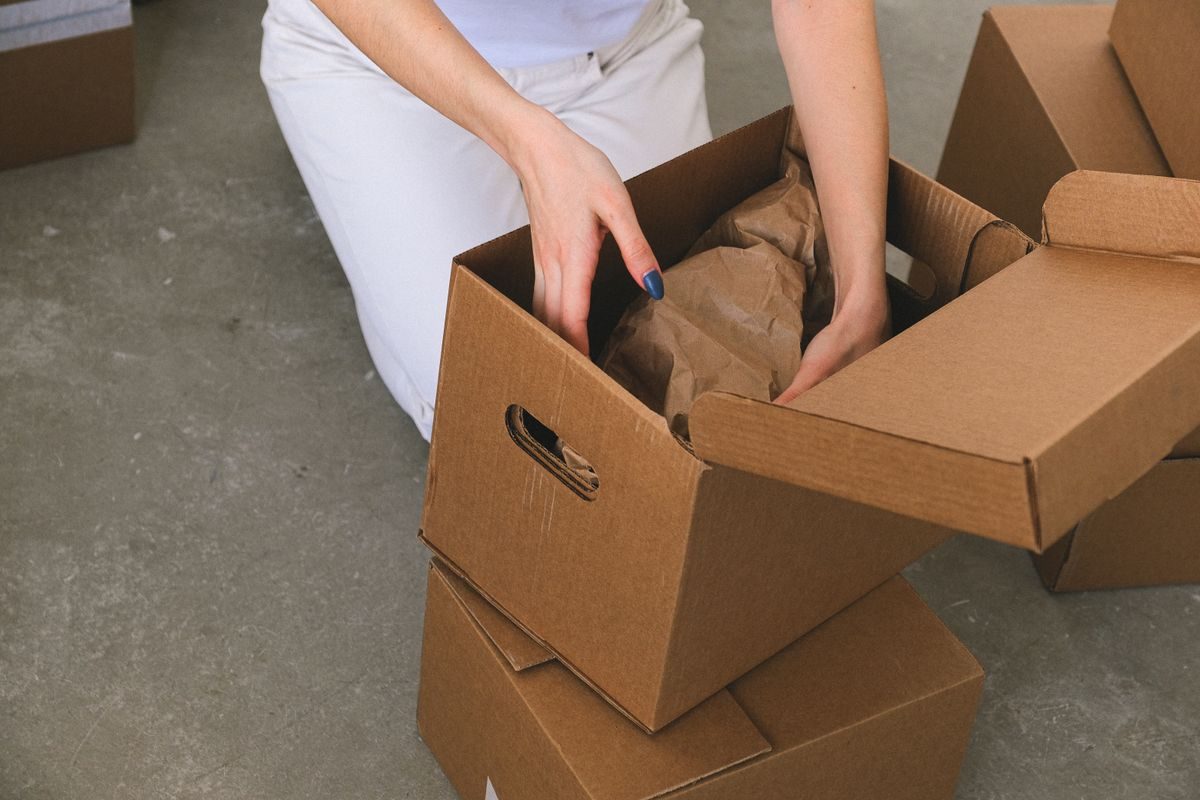
Paper wrapping is fine for crockery but inadequate for anything with protruding elements or inherent fragility. Proper fragile packing uses multiple layers - tissue or bubble wrap against the surface, foam packing material to prevent movement, and a box filled to reduce internal shifting.
Heavy furniture - marble-topped pieces, slate-topped tables, cast iron pieces - needs separate consideration. Marble tops come off before moving and are carried separately, wrapped and padded on a flat surface. Anyone who tries to move a marble-topped dressing table as a single piece is taking a risk.
Plug Moves Ltd handles moves involving antiques and fragile items across Eastbourne and the surrounding East Sussex area, with specialist packing and loading procedures for high-value or delicate contents.
Artwork and Mirrors
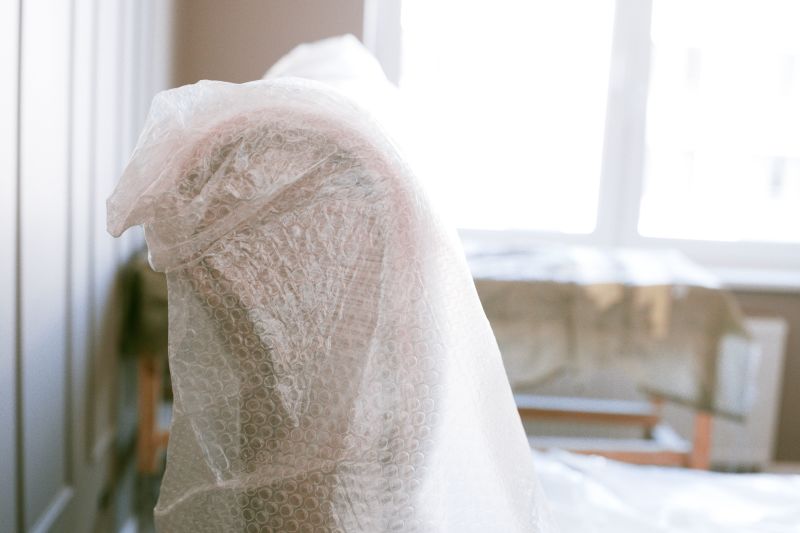
Framed artwork needs rigid protection. A framed oil painting isn't well-served by bubble wrap and a standard box. Purpose-made mirror boxes or picture cartons hold the frame rigid and prevent the glazing from flexing under pressure. Large unframed canvases need specialist handling. Oil paintings on canvas should travel face-inward against a padded surface, not face-outward where the canvas is exposed.
Mirrors follow similar logic - mirror boxes with corner protection, stored vertically in the van, not flat.
Discuss any artwork at the quotation stage. Items with insurance value (fine art, antiques over a certain value threshold) may need separate specialist transit insurance rather than the standard goods-in-transit cover most removal companies carry.
Clocks and Mechanical Items
Longcase clocks (grandfather clocks) need to be partly dismantled for transport - the weights, pendulum, and movement all need to come out and be packed separately. A clock moved intact is a clock that arrives with a damaged suspension spring or a bent chime rod. This is a standard procedure for anyone who's moved clocks before and should be automatic, not something you have to request.
Mechanical antiques, instruments, and scientific equipment generally follow the same principle - anything with moving parts or delicate mechanisms needs to be immobilised or disassembled before transport.
Insurance for High-Value Items
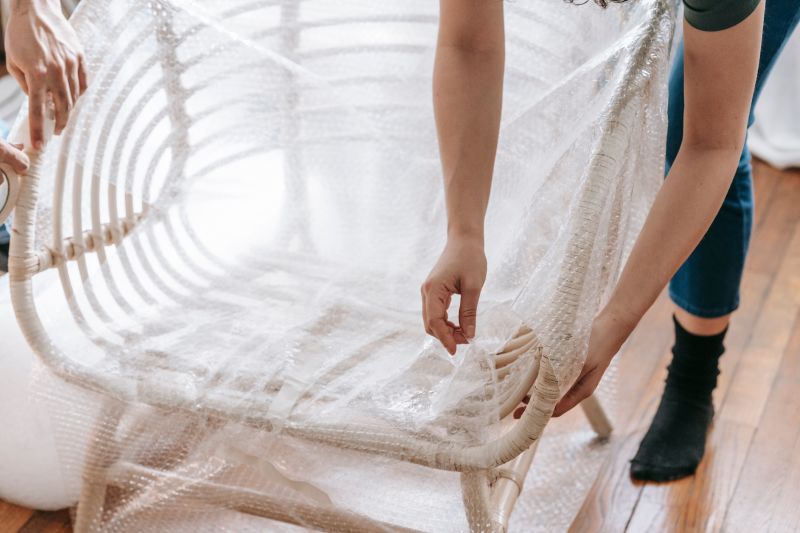
Standard removal company insurance covers goods in transit at replacement value with depreciation - which is not the same as antique or art valuation. For items with significant financial value, the difference matters.
Declare high-value items to the removal company before the move. Ask specifically what their goods-in-transit cover includes and excludes. For items above a threshold (often around £500-£1,000 per item), you may need a separate specialist insurance policy. Your home contents insurer may offer transit cover as an extension - worth checking before the move.
We've covered the logistics of planning a Eastbourne house move in detail in our Eastbourne house move timeline guide, which covers what to arrange and when in the weeks before moving day.
What to Ask Before Booking
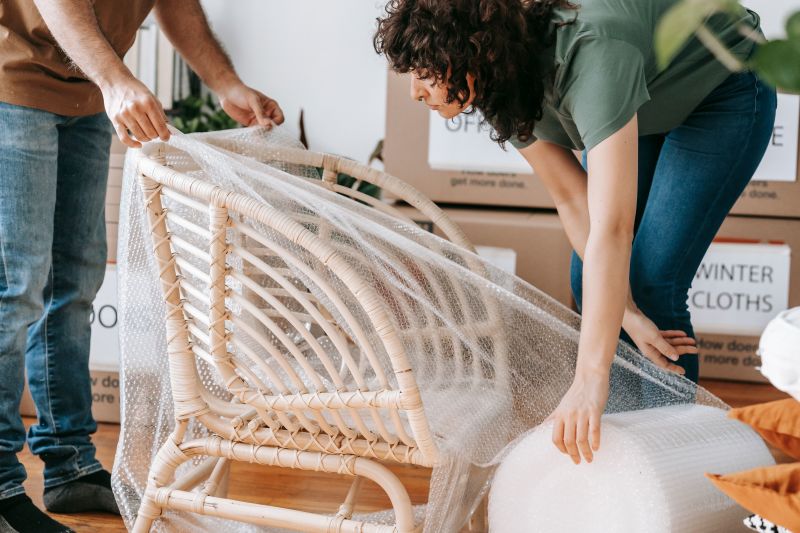
Before booking any Eastbourne removal company for a move involving antiques or fragile items, ask directly: have they moved items of this type before, what specific packing materials and methods they use for fragile pieces, what their goods-in-transit insurance covers, and whether they'll come to view the items before quoting rather than quoting on description alone.
A company that won't do a viewing for a move involving valuable or fragile items is one that doesn't fully understand the scope they're quoting for.
FAQ
Q: Can any removal company handle antiques in Eastbourne?
Not well, no. Standard removal processes designed for everyday household furniture don't suit antiques or fragile items. Ask specifically about their experience with the type of items you have, what packing materials they use, and whether they do a viewing before quoting.
Q: Do I need separate insurance for antiques during a move in Eastbourne?
Possibly. Standard goods-in-transit insurance covers replacement value with depreciation, which is not the same as antique valuation. Declare high-value items to the removal company and ask what their cover includes. For items of significant financial value, a separate specialist transit insurance policy may be needed.
Q: How should a grandfather clock be moved in Eastbourne?
The weights, pendulum, and movement all need to be removed and packed separately before transport. Moving a longcase clock intact risks damage to the suspension, chime mechanism, and movement. Any removal company experienced with antique clocks will do this as standard.
Q: How should framed artwork be packed for a move?
Purpose-made picture cartons or mirror boxes with corner protection are the correct method. Oil paintings should travel face-inward against a padded surface. Standard bubble wrap and a generic box is inadequate for framed artwork with glazing.
Q: Should fragile items be loaded last or first in the van?
High, accessible, and last off is the general principle - fragile items should be loaded so they're accessible and don't have other items loaded on top of or against them. An experienced removal team will plan the loading sequence specifically around fragile items rather than loading in order of convenience.