Small Moves and Single-Item Removals in Eastbourne: What They Cost
Not every move fills a lorry. A good share of removal work in Eastbourne is one sofa, half a bedroom, or a student's worth of boxes going three miles across town, and the pricing for those jobs works very differently from a full house move. Eastbourne has around 101,000 residents, roughly a quarter of them over 65, and something close to a third of its homes are flats - a mix of purpose-built blocks and Victorian seafront houses carved into apartments. Put those two facts together and you get a lot of small moves: downsizers shedding furniture, students shifting between house shares, and people buying a second-hand wardrobe off Facebook that will not fit in a car. A single-item job here typically costs £45 to £150, and a part-load £120 to £400. This guide explains how those numbers are built.
What Counts as a Small Move or Single-Item Job
There is no formal definition, but in practice a single-item job is one bulky thing - a sofa, a bed, a fridge-freezer, a wardrobe, a dining table - moved from A to B, usually with two people and a Luton or transit van. A small move is anything up to roughly a third of a van: a studio flat, a single bedroom, or 15 to 30 boxes plus a couple of pieces of furniture.
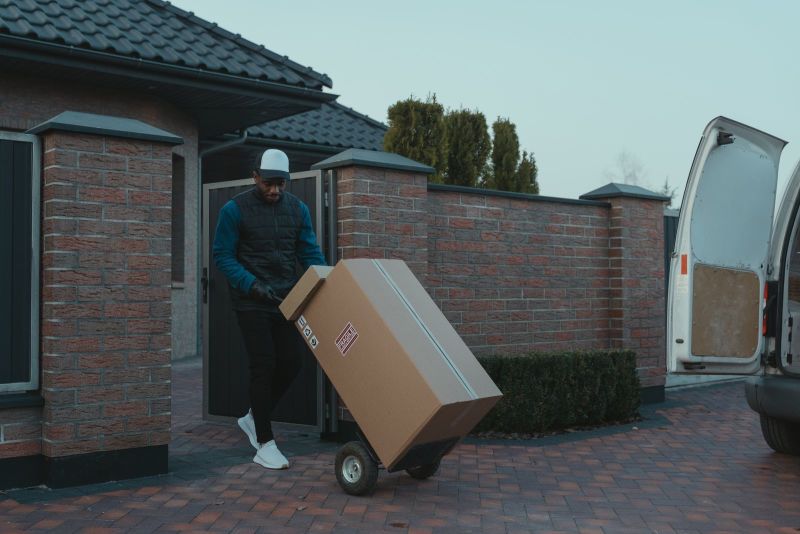
The dividing line most firms use is loading time. Under about 90 minutes of loading and it is priced as a small job, often on a minimum-charge basis. Over that and it starts being quoted like a proper removal, with a half-day or full-day crew rate. Roughly 70% of small jobs are done inside three hours door to door.
If you are not sure which side of the line you fall on, send a photo list rather than guessing at box counts. Most people underestimate their own volume by 20% to 30%. You can send the details and get a realistic figure through the Plug Moves Ltd homepage, and a five-minute description at that stage saves an awkward conversation on the day.
What a Single Item Actually Costs to Move in Eastbourne
For a straightforward local single item within Eastbourne, expect a minimum charge of around £45 to £75 covering the first hour, with typical jobs settling between £60 and £120. A two-seater sofa from Old Town to Meads with easy ground-floor access sits at the bottom of that. A three-seater corner unit going up to a second-floor flat off Seaside sits at the top.

Rough guide prices for common items, ground floor to ground floor, within the town:
- Sofa or armchair: £50 to £95
- Double or king bed and mattress: £55 to £100
- Fridge-freezer or washing machine: £55 to £110
- Wardrobe or chest of drawers: £50 to £90
- Dining table and four chairs: £60 to £110
Add roughly £15 to £30 per floor above the ground for stairs, and £25 to £60 if the item needs dismantling and rebuilding. Going out of town lifts things again: Polegate or Hailsham typically adds £20 to £40, Lewes or Hastings £40 to £80, and anything beyond about 25 miles usually moves onto a mileage-plus-time basis instead.
Appliances have their own quirk. A fridge-freezer that has been laid flat should stand upright for a few hours before being switched on, and a washing machine needs its transit bolts or it can be damaged in transit. A firm that mentions this unprompted knows what it is doing.
Part-Loads and Shared Van Space: How the Pricing Works
A part-load is where your things share van space with someone else's, and it is the cheapest legitimate way to move a small amount over a longer distance. Instead of paying for a whole vehicle, you pay for the cubic metres you use, typically £45 to £90 per cubic metre on a shared run.
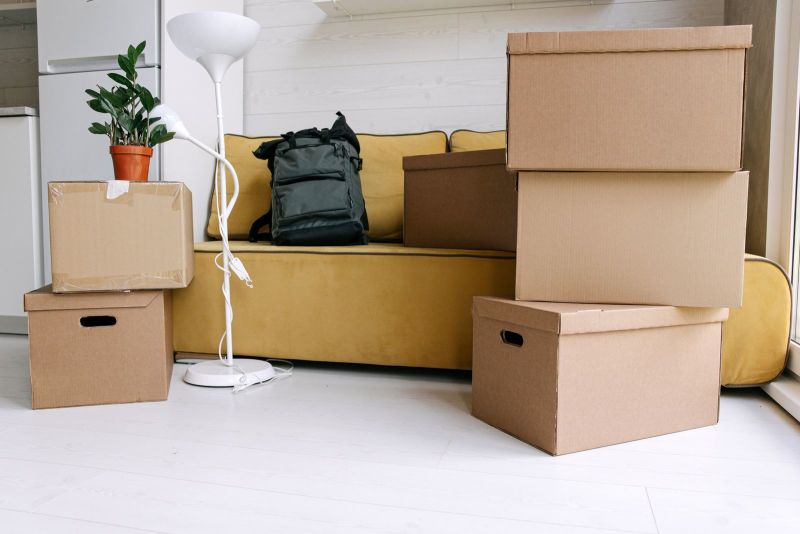
To put that in context, a single bedroom of furniture plus boxes is usually 4 to 7 cubic metres, so a part-load might come to £200 to £450 where a dedicated van for the same journey would be £500-plus. The trade-off is timing. Part-loads run to a route, not to your diary, so delivery windows are commonly two to five days rather than same-day, and you may get a two-day window rather than a fixed hour.
For a move inside Eastbourne, a part-load rarely makes sense - the journey is too short for the sharing to save much. It comes into its own for a student going home to the Midlands, a downsizer sending furniture to family, or a room's worth of belongings heading to storage. Ask specifically whether the price is a fixed quote or an estimate per cubic metre measured on the day, because those behave very differently.
Student Moves, House Shares, and the Summer Peaks
Eastbourne's student and young-renter population moves on a predictable rhythm. Tenancy turnover clusters heavily in late June and early July and again in September, and in those weeks demand for small vans roughly doubles. Book a fortnight ahead in peak weeks and a few days ahead the rest of the year, and expect weekend slots in early September to be the first to go.
Keeping a student move cheap
The single biggest saving is being genuinely ready. A crew that arrives to find nothing packed loses 45 to 90 minutes, and on an hourly job that is £30 to £70 straight onto the bill. Flat-pack furniture is usually cheaper to dismantle yourself than to have dismantled, and second-hand items that cost £40 are rarely worth £60 to move.
Shared houses and split bills
Where three or four housemates are all moving locally in the same week, one van doing multiple drops in a single booking is far cheaper per person than four separate jobs - often 40% to 50% less each. If you want a fuller comparison of the two service types before deciding, our guide to man with a van versus a removal company in Eastbourne covers where each one earns its money.
Downsizers, Retirement Flats, and Moving Just a Few Things
Eastbourne has one of the older population profiles in the South East, with roughly a quarter of residents over 65, and a large number of one and two-bedroom retirement flats. A lot of local small-move work is exactly this: someone leaving a three-bedroom house, keeping a fraction of the furniture, and needing the rest split between a new flat, family, and a charity.

That kind of job is often quoted as a half-day, commonly £180 to £320 for two crew and a van, covering multiple drops. Splitting a load across three destinations usually costs less than three separate single-item bookings, sometimes by 30% or more, so it is worth planning all the drops in one go rather than calling back a fortnight later.
Retirement blocks have their own rules. Many have booking systems for the lift or the loading bay, restricted hours (often 9am to 4pm on weekdays only), and a managing agent who wants notice. Check with the block manager a week ahead. A wasted trip because the service lift was already booked is the most avoidable cost in a small move.
Stairs, Lifts, and Seafront Access: What Adds to the Bill
Eastbourne's stock of converted Victorian and Edwardian houses, particularly along the seafront and the streets behind it, is where small moves get slow. Those conversions often have narrow original staircases with a tight half-landing turn, and a modern three-seater sofa frequently will not make that turn. Measure the sofa's diagonal depth and the narrowest point of the stair before you book.
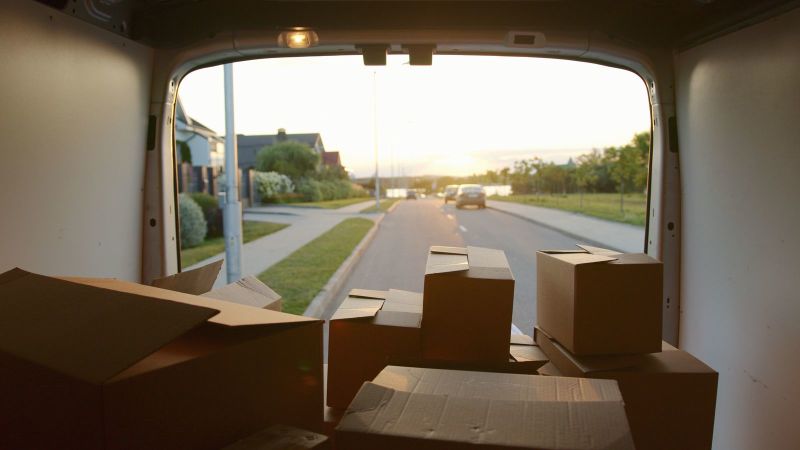
Access adds up in specific ways. Carrying distance over about 30 metres from the van, no lift above the second floor, a shared entrance that cannot be propped open, and seafront parking restrictions all cost time. Along the seafront and in the central controlled zones, a van cannot simply sit on the road for an hour, so factor in a paid bay or a short dispensation. A 15-minute parking hunt on a £60 job is a real percentage of the price.
If the stairs genuinely defeat the item, the fallback is a window or balcony lift, which needs specialist kit and is a different price bracket entirely. This is rare on small jobs, but it is worth knowing before you buy a sofa that cannot physically enter your flat.
Simple Ways to Keep a Small Move Cheap
Book midweek. Tuesday to Thursday slots are often 10% to 20% cheaper than a Friday or Saturday, and end-of-month dates are the busiest of all because that is when most tenancies and completions land.

Be honest about volume when you get the quote. Under-declaring to get a lower number does not save anything, because the crew still has to move whatever is actually there and the price adjusts on the day. Have everything boxed, taped, and stacked by the front door, take doors off their hinges yourself if you know an item is tight, and make sure someone with a key is at both ends. Small jobs are priced by the hour far more often than full house moves are, so every 15 minutes you save is money back.
Finally, be realistic about what is worth moving. Moving a £50 item 20 miles for £70 is a decision, not a saving.
Choosing Someone to Move a Single Item Safely
Small jobs attract more casual operators than full house moves do, so a few checks are worth the five minutes. Confirm the firm carries goods-in-transit and public liability insurance, and ask what the per-item limit is - some cheap quotes carry very low cover or none at all. If your item is worth more than a few hundred pounds, get the cover confirmed in writing before the van arrives.

Membership of a recognised trade body helps. Companies signed up to the British Association of Removers, which runs a Trading Standards-approved code of practice with independent dispute resolution, give you a route to complain that actually goes somewhere. For a neutral view on comparing quotes and spotting weak cover, Which? has a straightforward guide to choosing a removals company. It also helps to know your basic entitlements under consumer protection rules for services you pay for, which apply to a £60 sofa move just as much as a £1,200 house move.
Then ask the practical questions. Is the price fixed or hourly, and what is the minimum charge? Are two people coming or one? Is dismantling included? What happens if the item does not fit up the stairs? A firm that answers all four plainly is the one to book.
---
FAQ
Q: How much does it cost to move a single item in Eastbourne?
A: Most single-item local jobs run £45 to £150, with a minimum charge of roughly £45 to £75 covering the first hour. A sofa is typically £50 to £95, a bed and mattress £55 to £100, and a fridge-freezer £55 to £110 on ground-floor access. Add around £15 to £30 per floor for stairs, £25 to £60 for dismantling, and £20 to £80 for destinations outside the town.
Q: What is a part-load and is it cheaper for a small Eastbourne move?
A: A part-load means your belongings share van space with other customers, and you pay only for the cubic metres you use, usually £45 to £90 per cubic metre. A single bedroom of 4 to 7 cubic metres often comes to £200 to £450 instead of £500-plus for a dedicated van. The trade-off is a delivery window of two to five days, so it suits longer journeys rather than moves within Eastbourne.
Q: When is the busiest time for small moves in Eastbourne?
A: Late June to early July and September are the peaks, driven by tenancy turnover among students and renters, and demand for small vans roughly doubles in those weeks. Book about two weeks ahead in peak periods and a few days ahead otherwise. Midweek slots are commonly 10% to 20% cheaper than Fridays, Saturdays, and end-of-month dates.
Q: Will my sofa fit up the stairs in an Eastbourne flat conversion?
A: Not always. Many of the town's Victorian and Edwardian seafront houses were converted into flats with narrow original staircases and tight half-landing turns that modern corner sofas cannot clear. Measure the item's diagonal depth against the narrowest point of the stair before booking, mention it at the quote stage, and allow £25 to £60 if dismantling and rebuilding is needed.
---