Removals in Lewes: Costs, Narrow Streets, and Choosing a Company
Lewes is the county town of East Sussex, home to roughly 17,000 people, and it sits in a gap the River Ouse carved through the South Downs. That setting is lovely to live in and awkward to move out of. The old town climbs a steep chalk spur, the streets narrow as they rise, and the town centre holds one of the densest concentrations of listed buildings anywhere in Sussex - hundreds of them, plus a conservation area that covers most of the historic core. A typical Lewes house move runs somewhere between £550 and £1,400, and access, not distance, is what pushes that figure around. Around 30% of the housing stock here predates 1900, which means narrow doorways, tight staircases, and furniture that has to go out the way it came in. This guide covers what you will pay, what the streets will throw at you, and what to ask before you book.
What a Removal Company in Lewes Typically Costs
For a local move within Lewes or out to Ringmer, Newhaven, Seaford, or Brighton, a one or two-bedroom job usually lands between £550 and £850. A three or four-bedroom house is more often £850 to £1,400, and a large period property with cellars, a loft, and a garden store can go past £1,600 once packing is added. Packing services typically add £150 to £500 depending on how much you hand over.

Lewes quotes tend to sit slightly above the East Sussex average for the same bedroom count, and the reason is almost always labour time rather than mileage. A crew that has to carry 60 boxes 40 metres up a hill because the lorry cannot get closer is doing an extra two to three hours of work, and that is what you are paying for. Two identical three-bed houses, one on a modern estate off the A275 and one halfway up a cobbled lane, can differ by £250 or more.
Describe your street, your parking situation, and your staircase honestly when you ask for a quote. The Plug Moves Ltd homepage is the quickest place to send those details so the estimate reflects your actual access rather than a rough average. A quote given blind over the phone for a Lewes address is a quote that will change.
Narrow Streets, Twittens, and the Climb Out of Town
Lewes has a street pattern that predates lorries by several centuries. Keere Street is cobbled and steep enough that walking down it takes concentration, let alone carrying a wardrobe. School Hill and Chapel Hill climb hard out of the centre. And running between all of them are the twittens - the local Sussex word for the narrow footpaths threading between houses - which are often under a metre and a half wide and completely impassable to anything with wheels bigger than a sack truck.
What crews actually do about it
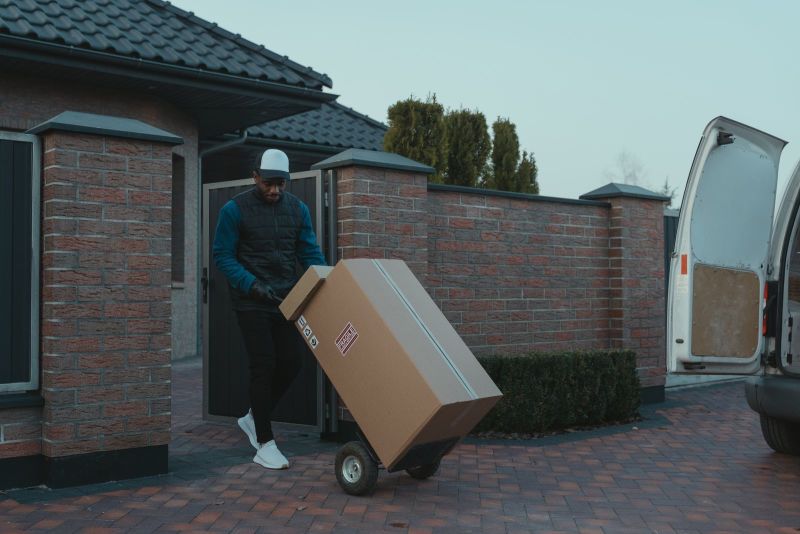
The usual answer is a shuttle. A 7.5-tonne lorry parks on the nearest road that can take it, and a smaller Luton or transit ferries loads back and forth. Expect this to add roughly 25% to 40% to the loading time on a tight old-town address. On the steepest lanes, crews sometimes carry by hand for the last 30 to 50 metres because a fully loaded trolley on cobbles is genuinely unsafe.
The bits people forget
Overhanging first floors, low arches, and step-up thresholds are common on the older streets, and a modern three-seater sofa often will not clear them. Measure your widest item and your narrowest doorway before moving day. If the gap is under about 5cm, mention it - dismantling on site takes a crew 20 to 45 minutes per item and is far cheaper than a failed attempt.
Listed Buildings and Conservation Area Constraints
Lewes District has well over a thousand listed entries, and a large share sit inside the town's conservation area. If your home is listed, you cannot casually remove a door, take out a window, or unscrew a hand rail to get a piano through, because those are original fabric. Historic England's guidance on listed building consent explains where the line falls, and the short version is that anything affecting the building's special character needs consent from the council first.
In practice this rarely stops a move, but it does change the plan. Around one in five period-property moves in towns like this needs at least one item dismantled or hoisted rather than simply carried, and a firm that already knows it cannot pop a sash window out will plan for that. Ask early rather than on the morning.
Floors matter too. Original boards, flagstones, and worn stair treads mark easily, and a good crew turns up with proper floor runners and corner protectors as standard rather than as an extra. If a company does not mention protection for an old house, they have not thought about the job.
Parking Permits, Suspensions, and Getting the Lorry Close
Most of central Lewes falls under controlled parking, and a removal lorry cannot simply sit on a residents' bay or a yellow line for six hours. Parking here is administered by East Sussex County Council, and their guidance on parking permits, dispensations, and suspensions is the place to start. A bay suspension usually needs applying for at least five to ten working days ahead, and there is a fee, typically in the £30 to £70 range depending on how many bays and how long.
It is money well spent. The alternative is a crew arriving to find every space taken, then parking 80 metres away and adding an hour or two of carrying to a job you are paying for by the hour. On the narrower one-way sections of the old town, a badly parked car can also block the lorry entirely, and there is no way around it.
If you are moving on a Saturday, factor in that the town centre gets busy with market and visitor traffic from mid-morning. An 8am start beats a 10am start by a comfortable margin.
Booking Your Move: Seasons, Completions, and Dates to Avoid
Two to four weeks' notice is usually enough for a straightforward local move. Tie it to a completion, or put it on a Friday or the last working day of the month, and give it four to six weeks instead - those slots go first, and roughly 60% of UK completions land on a Friday.

The Lewes dates that catch people out
The town effectively closes on 5 November for Lewes Bonfire, with road closures across the centre and tens of thousands of visitors. Nobody is moving house in the old town that day, and the days either side are awkward too. Ring the diary around it. Term dates matter as well, because Lewes has a strong commuter and family population and moves cluster into July and August, which is also when prices peak.
Autumn and winter midweek slots are usually easier to book and often 10% to 15% cheaper. If your chain allows flexibility, that is where the value sits. We looked at the same seasonal pattern from a different angle in our guide to removals in Hailsham, which is useful if you are comparing firms across the district.
Downs Weather, the Ouse, and Moving Day Conditions
Lewes sits in a gap in the Downs, which funnels wind through the town in a way that surprises people who have only visited on a still day. Gusts channel down the valley, and an unsecured blanket or a lightweight box on an open tail lift will not stay put. The chalk and cobbles also get slick fast, and a wet Keere Street or a damp stone step is a real slip risk for someone carrying 25kg.

The Ouse gives the town a flood history too, with the October 2000 floods still the benchmark locally. That matters less for moving day itself and more for storage and ground-floor planning - if you are putting boxes anywhere at ground level in the lower parts of town over winter, get them on pallets or shelving rather than straight onto the floor.
Practically: start early, keep everything covered between the door and the van, and accept that a wet day on a steep street will run 30 to 60 minutes longer than a dry one. Budget the time rather than fighting it.
Insurance, Trade Bodies, and Choosing the Right Firm
Check the insurance properly before you book anything. Most established companies carry goods-in-transit and public liability cover, but the per-item limits vary a lot, and boxes you packed yourself are commonly excluded from any claim. Ask what the single-item limit is, whether antiques or artwork need declaring separately, and what the excess would be.

Trade-body membership is a useful shortcut. Firms that belong to the British Association of Removers, which runs a Trading Standards-approved code of practice with independent dispute resolution and advance payment protection, give you somewhere to go if things go wrong. For a neutral second opinion on comparing quotes, Which? has a clear guide to choosing a removals company that is worth reading before you sign. It is also worth knowing your basic rights under consumer protection law for services you pay for.
Then ask the local questions. Have they moved on the old town's hills before? Do they own a smaller shuttle van or only a lorry? Will they arrange the bay suspension or is that on you? How many crew are coming, and is any of it subcontracted? A firm that answers all four specifically has done this in Lewes. One that gives vague reassurance probably has not.
---
FAQ
Q: How much does a removal company in Lewes cost?
A: A one or two-bedroom local move typically runs £550 to £850, and a three or four-bedroom house £850 to £1,400, with large period properties sometimes passing £1,600 once packing is included. Packing usually adds £150 to £500. Lewes quotes often sit slightly above the county average because the town's hills, narrow lanes, and shuttle-loading add labour hours rather than mileage.
Q: Do Lewes's narrow streets and steep hills make a move more expensive?
A: Yes, mainly through time. Cobbled lanes like Keere Street, the steep climbs of School Hill and Chapel Hill, and the town's narrow twittens mean a full-size lorry often cannot reach the door, so crews shuttle with a smaller van or carry by hand for the last stretch. That commonly adds around 25% to 40% to loading time on old-town addresses.
Q: Does living in a listed building in Lewes affect moving day?
A: It can. Lewes District has well over a thousand listed entries and a large conservation area, and you cannot remove original doors, windows, or handrails to get furniture through without listed building consent. Tell your removal firm early so they can plan dismantling or hoisting instead, and confirm they bring floor runners and corner protection for original floors and stairs.
Q: Do I need a parking permit or bay suspension for a removal van in Lewes?
A: Usually, if you are in the controlled parking area of the town centre. East Sussex County Council handles dispensations and bay suspensions, and applications generally need five to ten working days' notice with a fee in the region of £30 to £70. Without one, the lorry may end up parking a long walk away, which adds carrying time and cost to your bill.
---