Packing for an Eastbourne House Move: How to Prepare So Moving Day Runs Smoothly
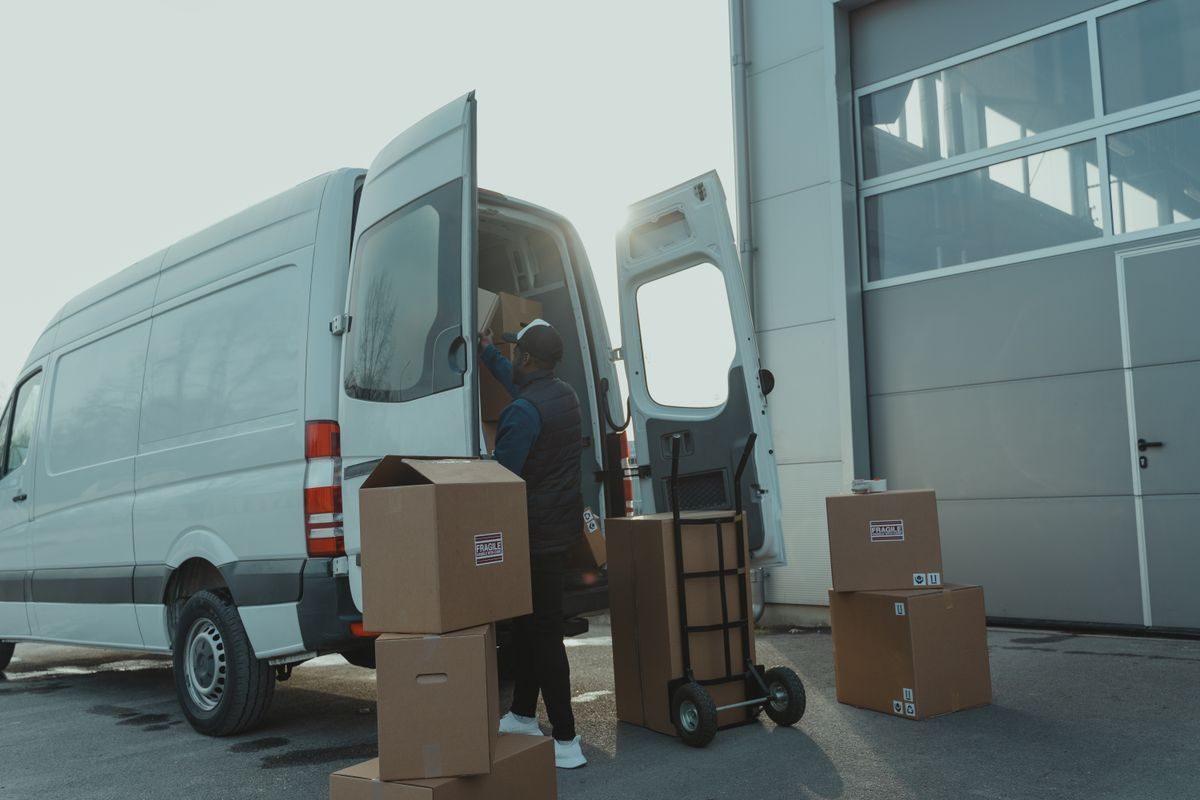
The most common reason an Eastbourne house move goes slowly on the day isn't the van, the traffic, or the distance - it's packing that wasn't quite finished. The removal crew arrives, the boxes aren't all sealed, items are still coming off shelves, and what should be a morning collection becomes an afternoon one that pushes the whole day back. It's an avoidable problem. Packing properly before moving day isn't difficult, but it does require planning the time needed rather than assuming it'll be quicker than it is. A three-bedroom Eastbourne house typically takes two people six to twelve hours to pack - considerably more than most people budget when they start thinking about it a week before the move.
Starting Earlier Than You Think You Need To
The rule that works consistently: start packing non-essential items four to six weeks before moving day. Books, seasonal items, decorative objects, spare linen, the contents of cupboards you don't open weekly - these can all be packed and stacked in one room without affecting how you live in the property in the meantime. Arriving at moving day with 60-70% of the house already packed makes the final days manageable rather than frantic.
The things that genuinely need to wait until the final day or two: essential kitchen equipment, toiletries and bathroom items, bedding, and whatever documents and valuables you're moving personally rather than in the van.
Getting the Right Materials
Plug Moves Ltd handles removals across Eastbourne and the quantities most people underestimate are boxes and packing paper. A three-bedroom Eastbourne house typically needs 80-120 boxes of varying sizes, plus several rolls of bubble wrap for fragile items, packing paper or newspaper for filling gaps and wrapping, and a substantial amount of tape.
Box sizes matter. Small boxes for books and heavy items (a large box of books will be too heavy to lift safely). Medium boxes for general household items. Large boxes for light bulky items like cushions, duvets, and lampshades. Wardrobe boxes (tall boxes with a hanging rail) for clothes on hangers - worth renting or buying if you have a significant wardrobe to move without wrinkling.
Free boxes from supermarkets are fine for some items but inconsistent in strength. Banana boxes are genuinely strong and useful. Wine boxes are excellent for awkward items. Purpose-made removals boxes are more reliable for anything fragile or valuable.
Packing Method: What Actually Protects Items
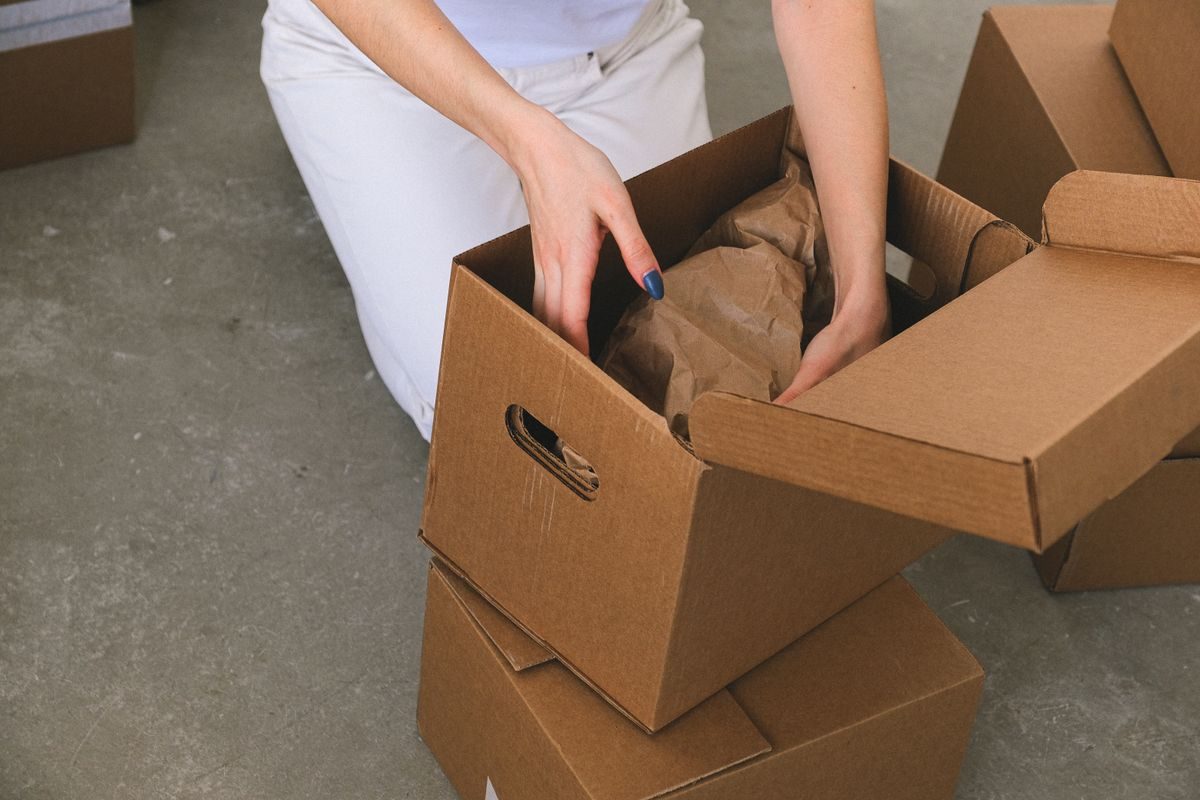
The number one cause of breakages in moves is underpacking - boxes where items can shift during transit. A box should feel solid when gently shaken, with no movement of contents. Fill gaps with scrunched packing paper, clean tea towels, or clothing.
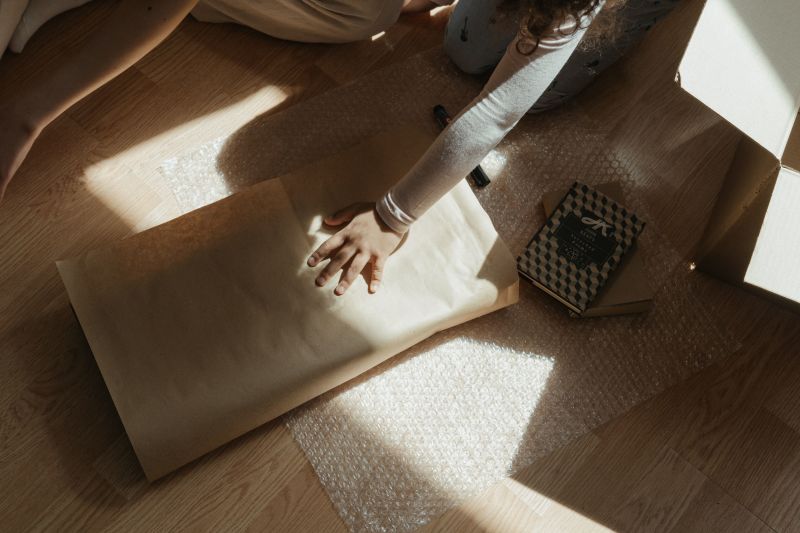
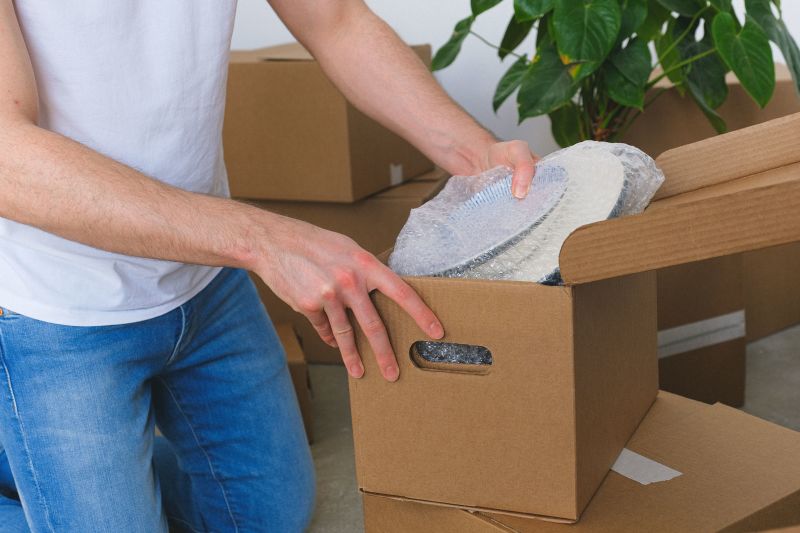
For plates: pack vertically on their edge, not flat. Vertically-packed plates survive transit significantly better than flat ones. Wrap each one individually in packing paper or newspaper. Put a layer of packing at the bottom of the box.
For glasses: individual wrapping, glasses upright in a box with sufficient padding, and mark the box FRAGILE on all sides. Don't put heavy items on top of a box marked fragile in the van - mark it clearly enough that the crew knows.
For pictures and mirrors: corner protectors and wrapping, moved vertically not flat where possible. Large mirrors can be moved in specially designed mirror boxes if they can't be transported in the owner's car.
Labelling That Actually Helps on the Day
Labels on every box are essential. The most useful approach: mark both the destination room and a brief contents summary. "Kitchen - pots and pans" is more useful than "Kitchen" alone when there are fifteen kitchen boxes and the kettle needs to be found quickly.
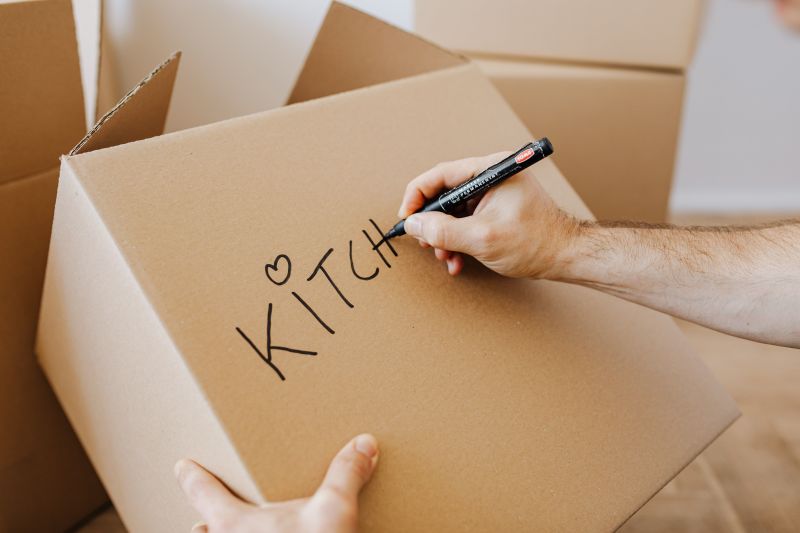
Mark any box with fragile contents clearly on the top and at least two sides. A box labelled fragile only on the top can be stacked the wrong way up in the van.
We've covered what moving house in Eastbourne actually involves from offer to completion elsewhere. The packing stage is one of the best-controlled parts of the whole process - it's within your hands entirely, unlike conveyancing timelines or completion dates.
The Day-Before and Day-Of Checklist
Day before: All boxes sealed and labelled. Furniture that's being moved disassembled where needed. Appliances disconnected and ready. A clear path through the property from each room to the front door. A bag of essentials (kettle, mugs, a change of clothes, phone charger, documents, keys) packed separately and not going into the van.
Moving day morning: Walk the crew through any specific instructions (items not being moved, parking restrictions, access to the new property). Don't leave items unsealed for packing on the day - it slows everything down and increases the chance of items being missed.
FAQ
Q: How long does packing take for an Eastbourne house move?
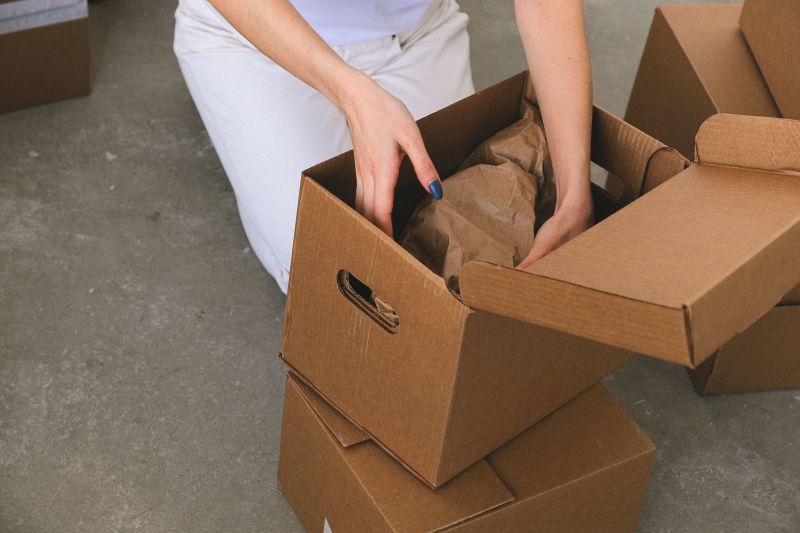
A three-bedroom Eastbourne house typically takes two people six to twelve hours to pack completely. Starting four to six weeks before moving day with non-essential items makes the final days manageable.
Q: How many boxes do I need for an Eastbourne house move?
A three-bedroom house typically needs 80-120 boxes of varying sizes. Most people underestimate this significantly. Getting more than you think you need is better than running out on moving day.
Q: Should I use free supermarket boxes for an Eastbourne move?
Free boxes work for light, non-fragile items. For anything heavy or fragile, purpose-made removals boxes or strong banana boxes are more reliable. Inconsistent box quality makes stacking less stable in the van.
Q: How should I pack plates and glasses for an Eastbourne move?
Plates packed vertically on their edge (not flat) with individual wrapping survive transit significantly better. Glasses should be wrapped individually and packed upright with sufficient padding around them. Both boxes should be marked fragile on all sides.
Q: What should I pack last when moving house in Eastbourne?
Essential kitchen items (kettle, basic cooking equipment), bathroom and toiletries, bedding, and your essentials bag should be packed last - ideally the day before or morning of the move. These are what you'll need immediately on arrival.
Q: Is it worth hiring professional packers for an Eastbourne move?
For moves where time is the constraint, or where there are a large number of fragile or valuable items, professional packing is worth the additional cost. Most removal companies including Plug Moves offer a packing service as an add-on to the move itself.