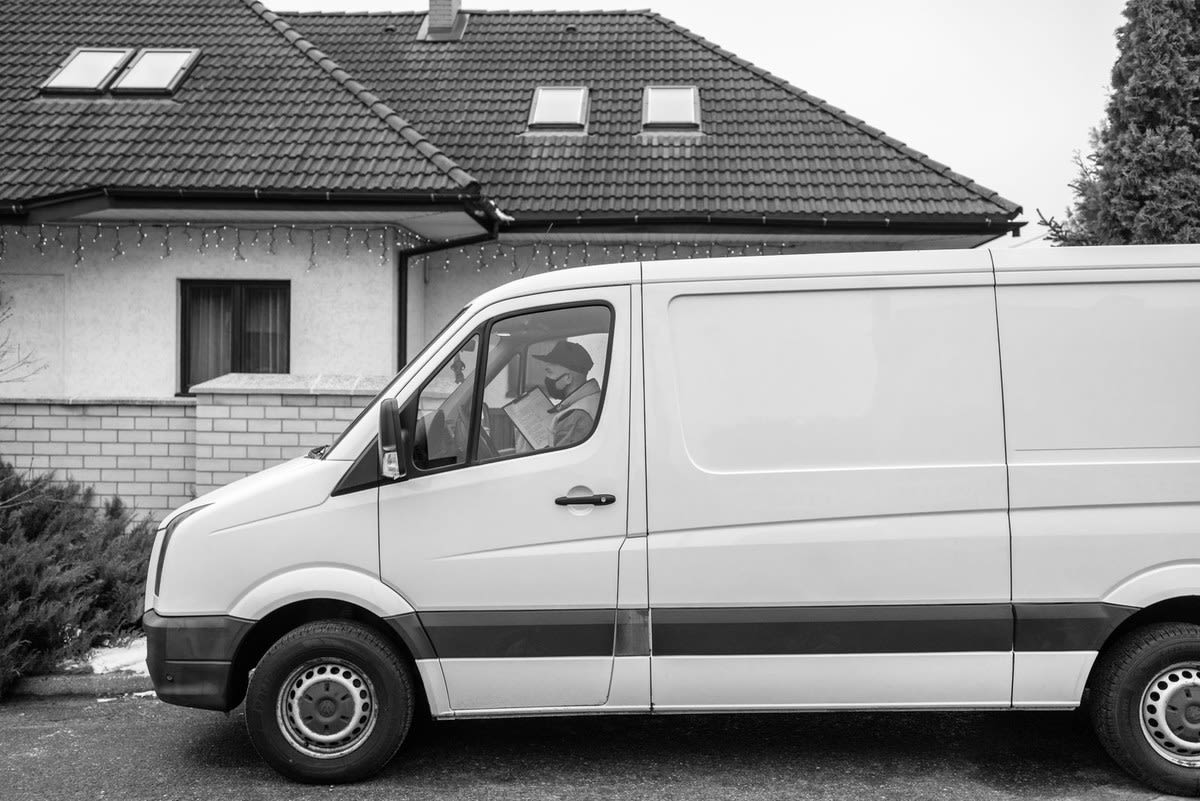
Removals in Crowborough: Costs, Timings, and What to Ask
Crowborough is the highest town in the Weald, sitting around 240 metres above sea level on the northern edge of Ashdown Forest, and that hilltop position quietly shapes every removal job here. You get large detached and Victorian family homes on long private drives, steep approaches, and a web of narrow rural lanes that were never built for a full-size lorry. It is a commuter town too, with a big share of households moving around the school year and the London train timetable, so demand clusters in spring and summer. A typical Crowborough house move runs somewhere between £500 and £1,300 depending on size and access, and with roughly 21,000 residents spread across generous detached plots, volume tends to be higher here than in a terraced town. This guide covers what you will actually pay, how early to book, and the questions that separate a solid firm from a risky one.
What a Removal Company in Crowborough Typically Costs
For a local move within Crowborough or to nearby Tunbridge Wells, Uckfield, or Heathfield, a one or two-bedroom job usually lands in the £500 to £800 range, while a three or four-bedroom detached house tends to run £800 to £1,300-plus. Crowborough skews towards larger homes, so full four and five-bedroom moves with lofts, garages, and garden equipment are common, and those can push past £1,500 once packing is added. Packing services themselves typically add £150 to £450 depending on how much you hand over to the crew.

The biggest cost swings come from volume and access, not distance. A detached house on a long gravel drive with a double garage full of tools holds far more than its bedroom count suggests, and that extra volume is what moves the price. Before you compare quotes, describe your exact property, drive, and street through the Plug Moves Ltd homepage so the estimate reflects your real access rather than a rough average.
Be wary of a quote that comes in dramatically below the rest. It usually means something has been left out - materials, dismantling, a second crew member, or insurance - and the shortfall has a habit of reappearing on the day.
How Far Ahead to Book Your Move
For a straightforward local move, two to four weeks' notice is usually enough to land your preferred date. For a move tied to a completion, or one falling on a Friday or the end of the month, give it four to six weeks, because those slots go first. Crowborough's larger homes also take longer to survey and quote properly, so building in extra lead time works in your favour.

The town has a clear seasonal rhythm. Commuter families tend to move in spring and summer to line up with the school year, which makes July and August the busiest and priciest window. Retirees and downsizers are far less tied to term dates and often move in quieter autumn and winter months, when you will usually find more availability and a better rate. Around 20% of Crowborough residents are over 65, so off-peak downsizing moves are a steady part of the local calendar.
Leave yourself buffer around a chain completion. Dates slip constantly, and a firm that can only offer one rigid slot may leave you stranded if yours moves. Ask how they handle a last-minute change before you commit.
Crowborough's Hills, Lanes, and Access Challenges
Access is where Crowborough moves get interesting. The town sits on a steep sandstone ridge, and many of the older residential roads climbing off the high street are narrow, sometimes single-track, with tight bends and no easy turning space for an articulated lorry. Crews often shuttle with a smaller van or park at the top of a drive and carry, and that carrying time is exactly what you are paying for.

Long private drives are a double-edged thing. They keep the lorry off the public road, which is handy, but a steep gravel or unmade drive can be too soft or too tight for a fully loaded 7.5-tonne vehicle, so the crew may still ferry loads down to the road. Mention the drive surface and gradient at the quote stage. Down in the town centre around the Broadway, parking is the constraint instead - limited bays and no dedicated loading area outside many shops and flats.
Rural properties on the Ashdown Forest fringe add their own wrinkle, with unmarked lanes, overhanging branches, and mud after wet spells. A good local firm will ask about all of this upfront; if they never mention access, that is a small warning sign.
Ashdown Forest Weather and Timing Your Move
Crowborough's altitude means it genuinely gets colder, wetter, and windier than the coast just 20 miles south. It is one of the higher and more exposed towns in the South East, and it sees noticeably more days of frost, fog, and driving rain than Eastbourne or Brighton. That matters on moving day, because a wet or icy steep drive slows loading and demands extra covering to keep furniture and boxes dry between the door and the van.

If you can choose your date, a settled late-spring or early-summer day is by far the easiest to move on up here. Where you cannot, a decent crew will arrive with covers, floor protection, and a plan for keeping things dry, but confirm that rather than assume it. Damp cardboard and a soaked mattress are a preventable headache.
Start early on the day. Winter daylight is short, hilltop fog can linger into mid-morning, and an early load gives the crew the best chance of finishing before the light and the weather turn.
Insurance, Trade Bodies, and Vetting a Firm
Whatever you are moving, check the firm's insurance properly. Most established companies carry goods-in-transit and public liability cover, but the limits and exclusions vary widely, and self-packed boxes are frequently excluded from any claim. Ask what is covered, what the limits are, and whether high-value items - which larger Crowborough homes often have more of - need declaring separately.

Trade-body membership is a useful shortcut for trust. Firms that belong to the British Association of Removers, which sets a code of practice with dispute resolution and advance-payment protection, give you somewhere to turn if something goes wrong. It is not the only marker of a good firm, but it is a reassuring one. For an independent view on comparing movers, Which? has a straightforward guide to choosing a removal company, which is worth a read before you sign anything.
Do the basics too: read recent independent reviews, confirm the company is a registered business with a real address, and get everything in writing. The government's guidance on your rights under consumer contracts and services is a good reminder of what you are entitled to expect. We also covered the same ground for a neighbouring town in our guide to removals in Uckfield, which is handy if you are weighing up firms across the area.
Questions to Ask Before You Book
Before committing to any Crowborough removal company, run a short checklist. Will they do a proper survey - in person or by video - rather than quoting blind over the phone, which matters more here given the size of local homes? Is the quote fixed and itemised, or an estimate that can climb? What does the insurance cover and exclude? How will they handle a steep gravel drive, a single-track lane, or a fully loaded lorry that cannot get up to the door? And what happens if your completion date slips?

Ask who is actually turning up, too. Knowing how many crew members are coming, whether the work is subcontracted, and whether they have moved larger detached homes on the ridge before tells you a lot about whether the price and the day will match. A firm that answers all of this clearly and specifically is usually the one worth booking.
---
FAQ
Q: How much does a removal company in Crowborough cost?
A: For a local move, a one or two-bedroom job typically runs £500 to £800, and a three or four-bedroom detached house £800 to £1,300-plus, with larger four and five-bedroom homes sometimes exceeding £1,500. Packing usually adds £150 to £450. Because Crowborough has many big detached homes, volume and access affect the price far more than distance does.
Q: How far ahead should I book a removal company in Crowborough?
A: Two to four weeks is usually enough for a straightforward local move, but allow four to six weeks for a Friday, a month-end, or a completion-tied move, as those dates fill first. July and August are the busiest and priciest thanks to commuter families moving around the school year, so a mid-week autumn or winter move is often easier to book and cheaper.
Q: Do Crowborough's hills and narrow lanes affect my move?
A: Yes. The town sits on a steep sandstone ridge, so many roads and long private drives are narrow, single-track, or too soft and tight for a fully loaded lorry, meaning crews often shuttle with a smaller van or carry loads to the road. Tell the firm about your drive surface, gradient, and any rural lane access at the quote stage.
Q: Does Crowborough's weather affect moving day?
A: It can. At around 240 metres up on the edge of Ashdown Forest, Crowborough is one of the more exposed towns in the South East and sees more frost, fog, and driving rain than the nearby coast. A wet or icy steep drive slows loading, so start early, pick a settled date if you can, and confirm the crew brings covers and floor protection.
---